
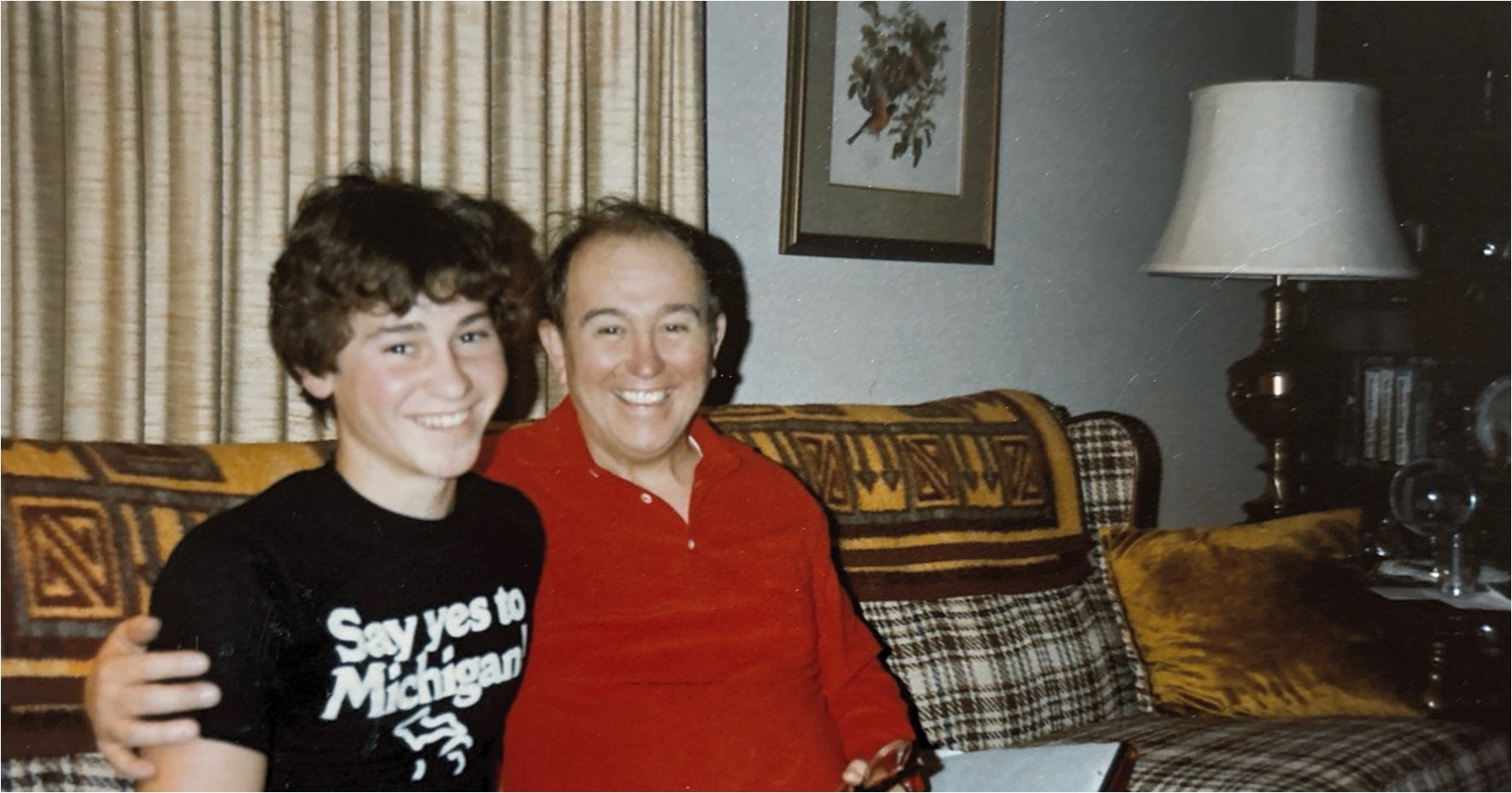
I’ve carried many roles in my life: son, brother, husband, uncle, student, teacher, pastor, parishioner, boss, employee, and now grandfather. The most meaningful of these are the ones that revolve around family, especially husband and father, because those two are the most indispensable. If you fail as a boss or an employee, someone else down the road can perhaps make amends for your shortcomings. But a man may be the only husband his wife ever has, and he will certainly be the only father his children ever have. No one else can pick up the slack if you fail in those two roles.
I was blessed to have an exceptional dad, which is remarkable because his own father died when he was just 4 years old. He had no father to emulate. Perhaps that’s why my dad tried so hard to excel as one. He wanted his children to have what he hadn’t. I never asked him if that was the case, but his actions made the question irrelevant. Every good thing I know about being a man I learned from my father. He was faithful to my mother and treated her with respect and kindness. He loved his children and worked hard to provide for his family. He was deeply dedicated to God and always encouraged me to follow Him with my heart and soul. From my father, I also learned to treat every person as a child of God worthy of respect and fairness.
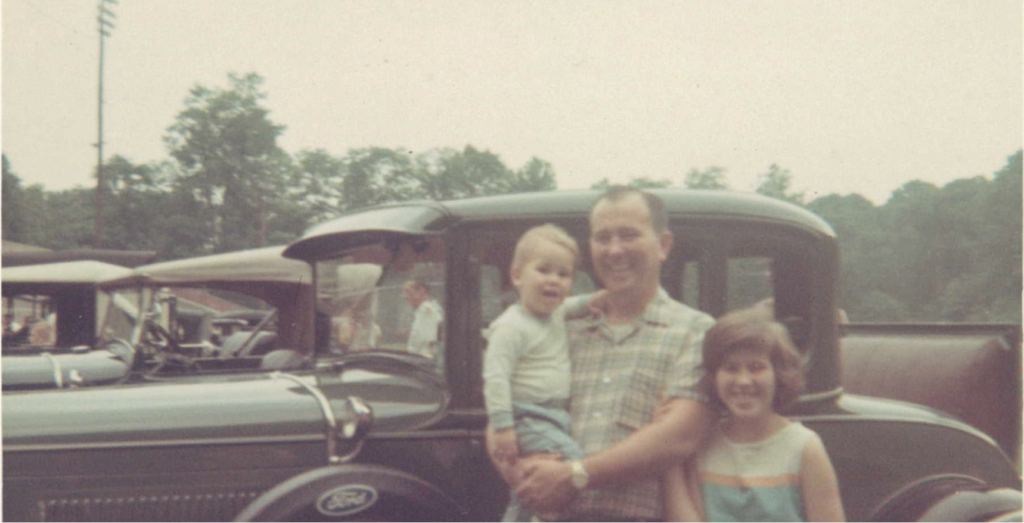
I grew up in the South, a place without a proud history of equality. African Americans and other minorities did not have the same economic opportunities as the majority culture, nor were they treated with the same level of respect. My dad had little tolerance for that inequality. His faith was a major factor, but his principles were also informed by his personal understanding of hardship. He grew up during the Depression, where his family struggled to make ends meet because his mother was the breadwinner and women, too, were denied equal economic opportunity. My dad treated everyone the same. It didn’t matter if they were wealthy or poor, Black or white; to him, they were simply a person deserving respect.
My dad was a business consultant, and one of his clients was a group of about a dozen physicians in a small Southern town, roughly an hour from where we lived. My father hired all the employees who worked in that office, from nurses and filing clerks to X-ray technicians. It was a large enterprise for that era, with entry-level staff as well as directors who managed smaller teams. Until the day he died, my dad was proud of the fact that he hired the first African American director in that office. Mrs. Mills wasn’t just the first in that practice, she was the first African American supervisor in the entire county.
The Christmas after she was hired, my dad was planning the office Christmas party and chose the local country club as the venue. The club was eager to host the largest medical practice in town and wanted to make everything special. There was, however, an unwritten policy: African Americans were not welcome as patrons. This was the 1970s, less than 50 years ago. The club manager called my father and said, “Mr. Huskins, thank you so much for scheduling our venue for your Christmas party. We are truly appreciative. I do need to ask one question, everyone knows that Dorothy Mills is one of your supervisors, and we were hoping she might not be included on the guest list.” My dad replied, “Well, as you said, Mrs. Mills is a supervisor in our office, and she will be invited. If she isn’t welcome, we’ll have to make other arrangements.” The manager pressed further: “Mr. Huskins, we really want your business, is there any way we can keep it without Mrs. Mills attending?” My father’s answer was firm: “Absolutely not. We are a team. If Dorothy isn’t welcome, none of us will feel welcome.” That December, the country club of Cleveland County, North Carolina, was integrated for the first time.
Scripture speaks clearly to this:
- Leviticus 19:15– “Do not pervert justice; do not show partiality to the poor or favoritism to the great but judge your neighbor fairly.”
- James 2:1– “My brothers and sisters, believers in our glorious Lord Jesus Christ must not show favoritism.”
- Isaiah 1:17 - “Learn to do right; seek justice. Defend the oppressed. Take up the cause of the fatherless; plead the case of the widow.”

I am deeply thankful for a father who taught me so many important lessons, not just with his words, but with his actions. A father’s example is a powerful force. This Father’s Day let’s covenant together to be good examples to our children: to love and serve people with fairness, without regard for their ethnicity or background. Let’s show our children and grandchildren what it looks like when real men live with integrity. Let’s honor our fathers by carrying forward their good examples and where they may have fallen short. Let’s set up a new and better pattern for the generation that comes after us.
Ted Huskins is the executive secretary of the Lake Union Conference.