
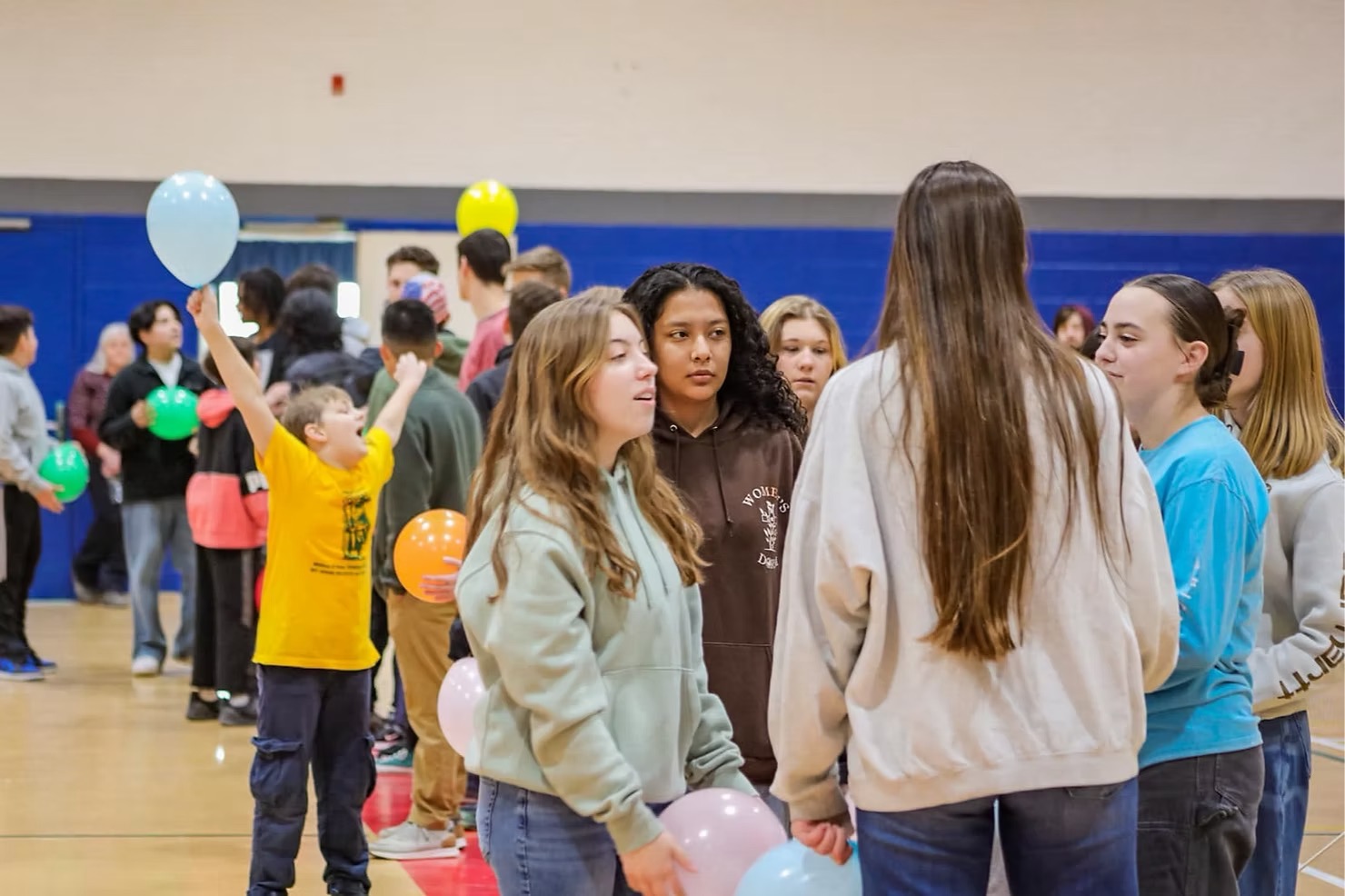
The Wisconsin Conference Constituency theme, “I Will Go,” reflects a shared commitment with the General Conference, North American Division, and Lake Union to advance God’s mission with purpose and faithfulness. Guided by the vision of “Advancing the Adventist Mission in Wisconsin,” the conference has remained focused on developing a culture of transformational and intergenerational discipleship, where Jesus is multiplied in the life of every member. Throughout this term, that mission has shaped ministry priorities, strengthened leadership, expanded education, and energized evangelism across the state.
Discipleship
During this term, the conference focused on fostering spiritual renewal through Bible study, prayer and worship, which deepened faith and strengthened our relationship with Christ. Churches aimed to create welcoming environments for members, guests and new believers, encouraging integration into church life. Discipleship centered on relationships built on love, grace and belonging.
Intergenerational discipleship opportunities were expanded to encourage spiritual growth across all ages and stages of life. These efforts supported greater retention and reclamation by nurturing long-term engagement, commitment and spiritual maturity. In addition, the conference promoted a strong climate of Biblical stewardship, encouraging churches to serve faithfully, responsibly and sustainably as they fulfilled God’s mission in their communities.
Leadership Development
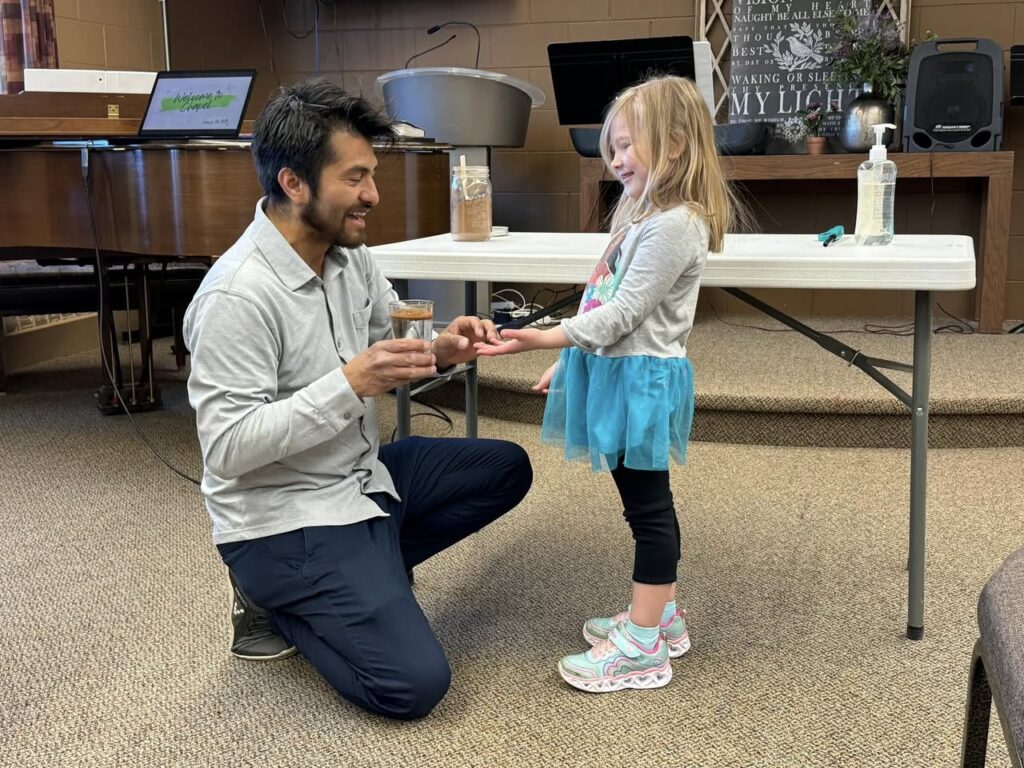
A culture of excellence was promoted among pastors, teachers and church administrators by upholding high standards of spiritual leadership, integrity and effectiveness. Intentional pastoral training and leadership development programs equipped leaders at every level, strengthening their capacity to serve with clarity, confidence and vision. Pastors, teachers and leaders were supported in pursuing advanced professional and academic degrees, enhancing their effectiveness and long-term impact in ministry.
The Volunteer Lay Pastor Program was expanded to increase leadership and support. Mentorship resources aided new pastors and teachers with guidance and accountability, leading to growth, confident leadership, and a strong church foundation.
Educational Excellence: Mentorship, Growth and Service
Over the past five years, Adventist education in Wisconsin experienced steady growth and renewed purpose, remaining firmly rooted in its mission to provide Christ-centered, academically strong learning environments. The education network expanded with the addition of Frederic Adventist Christian School and Wisconsin Inspire Academy, a virtual school developed in partnership with the Indiana Conference. These additions reflect a commitment to meeting diverse family needs through both traditional and online learning options while maintaining Adventist values, spiritual formation, and community.
Wisconsin Academy, the conference’s boarding high school, also experienced encouraging enrollment growth, signaling renewed confidence in Adventist secondary education. Families continue to be drawn to the academy’s balance of academic excellence, faith formation, and student life, supported by a wide range of scholarship opportunities. Conference-supported initiatives, donor-funded assistance, and partner scholarships have helped make Adventist education more accessible.
Alongside growth, Wisconsin Adventist education invested in professional development and student support, strengthening leadership, advancing literacy with Science of Reading, and enhancing special education to serve diverse learners. Focus on mental health and social-emotional skills helped educators support student well-being. These efforts foster a whole-child approach, nurturing students academically, spiritually, emotionally and socially.
Wakonda and Youth Evangelism
The summer camp at Camp Wakonda changed focus from size to health and spiritual impact, with smaller groups and improved programming. This strengthened spiritual atmosphere and increased baptisms. Hiring local youth boosted staff retention and connections. As they prepare for the 100th anniversary in 2027, planning aims to honor the milestone and ensure lasting impact.
Wisconsin’s Club Ministries have also grown substantially. Recovering from the pandemic in 2022, the conference sent its largest delegation ever to the 2024 International Camporee. LeaderShop events continued investing in leaders of all ages, and while some long-serving staff transitioned out, new leaders stepped into key roles. The development of Master Guide clubs and camporees added a new dimension to leadership training, ensuring continued vitality in youth ministry.
Public Campus Ministries
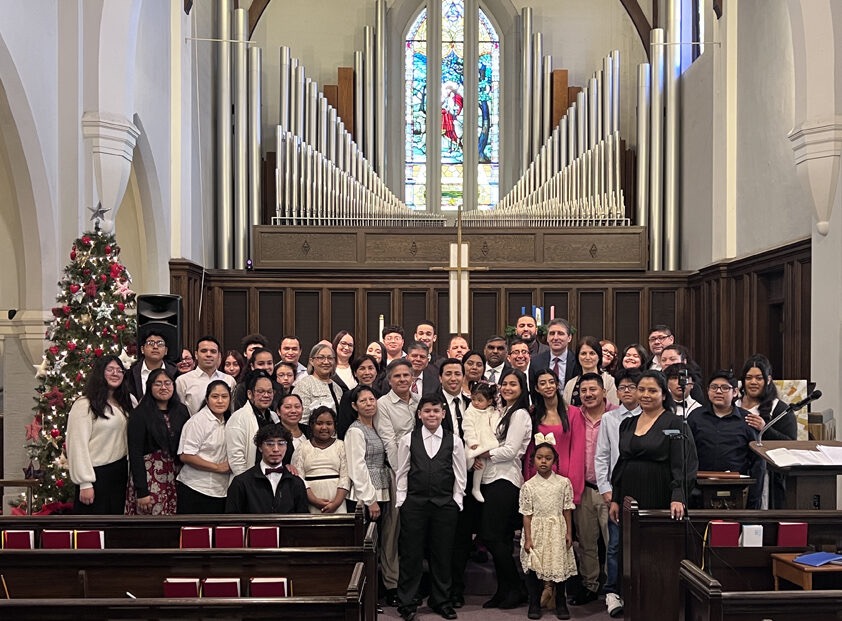
Public Campus Ministries grew from small efforts to a statewide conference initiative, with hubs at Wisconsin–Madison, Milwaukee and Stevens Point. The conference received over $200,000 for a Campus Missionary program supporting young leaders. Growth in Young Adult ministries and Master Guide clubs has boosted impact on individuals in their 20s and 30s.
Proclamation Evangelism and Community Involvement
The conference involved all ministries and members in evangelism, combining gospel sharing with compassionate service. It provided training, resources and inspiration for pastors and evangelists, while financial support helped churches and small groups grow outreach and community ties. Direction unified churches around common goals, with almost every church hosting evangelistic campaigns to foster renewal, witness and connection.
Conclusion
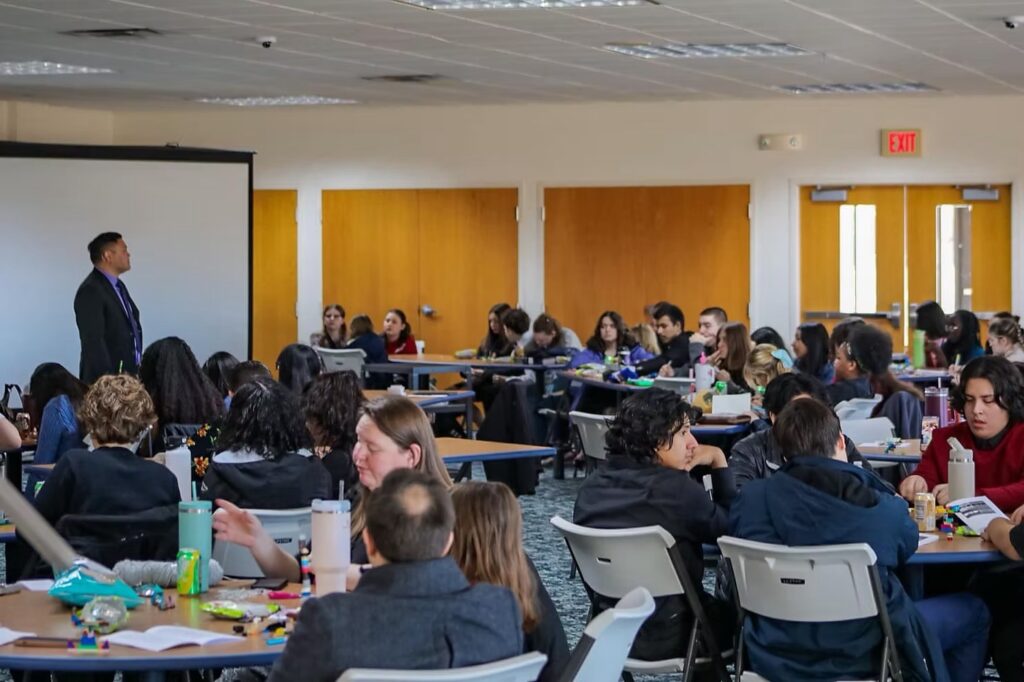
The past five years have been a blessing for the Wisconsin Conference. Our churches recorded 853 baptisms and reached a membership of 8,066 in 2025. We have seen God’s transforming power through growth. With gratitude and hope, we look forward to the opportunities God will provide as we connect, serve, and proclaim the gospel until Jesus returns.
Titus Naftanaila is president of Wisconsin Conference.