
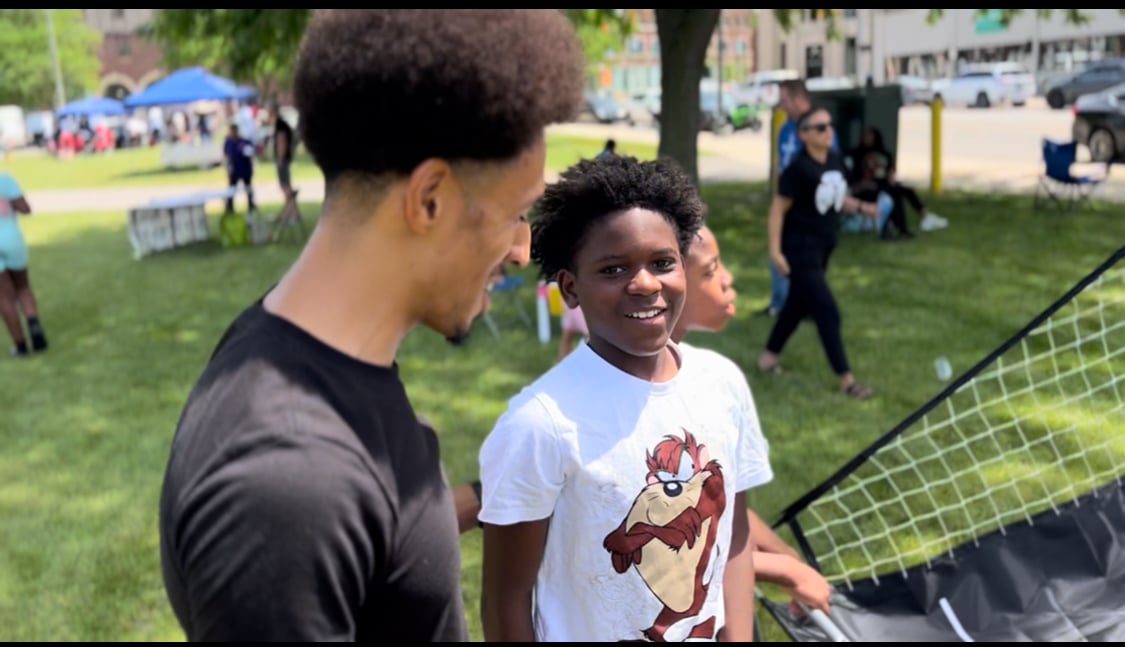
In partnership with the Benton Harbor Boys and Girls Club, Pastor Jonathan Garcia ministers to youth and helps enrich his community through robotics and computer science lessons.
Since the summer of 2025, Jonathan Garcia, lead pastor of the Harbor of Hope SDA Church in Benton Harbor, Michigan, has taught computer science to young students at the local Boys and Girls Club chapter. Having previously worked as a computer science instructor in New York for over a decade, Garcia now serves students at the Benton Harbor Boys and Girls Club’s Joel E. Smilow Teen Center (also known as “Teen Tech Center”), which features an array of technology used for education and creativity. Through this service, Garcia has combined his interests in spiritual ministry and computer science to provide an impactful resource for participants.
The Teen Tech Center is complete with a section for e-sports with nearly a dozen computers and professional equipment, where students not only play games, but also learn about streaming and other technical processes. A separate section is dedicated to 3D printing, sublimation, and virtual reality headsets that connect students with other Teen Tech Centers worldwide. Additionally, spaces for music production, podcasting, graphic design, and more are available in the state-of-the-art space.
Garcia, who is also currently pursuing a Master of Divinity degree at Andrews University’s Seventh-day Adventist Theological Seminary, shared that the Teen Tech Center, funded in part by Best Buy and the Whirlpool Foundation, is a powerful and rare resource he and his students get to partake in. More than $1 million has been contributed to the facility’s construction and maintenance, he said. Garcia credited the leadership and efforts of Di’Andre Hureskin, Best Buy’s Teen Tech Center Coordinator, for helping to maintain the Tech Center and its impactful programs.
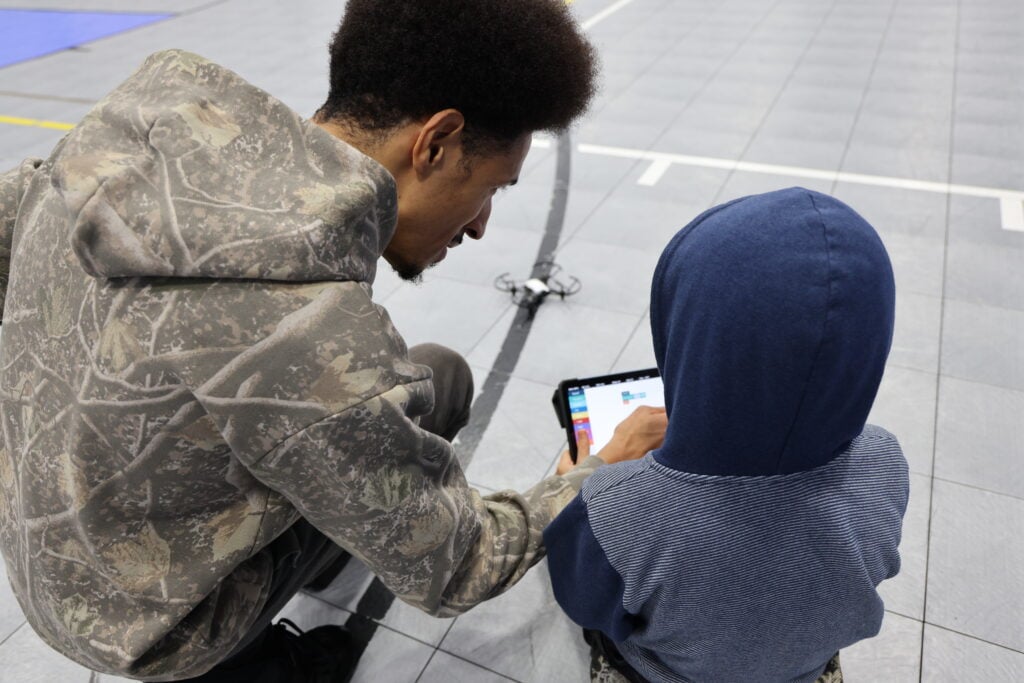
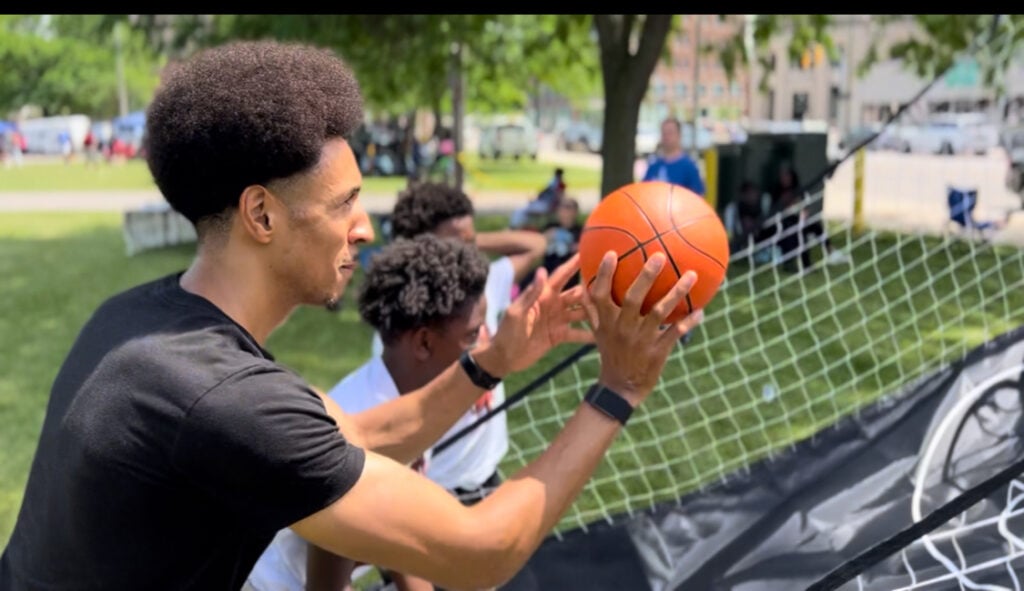
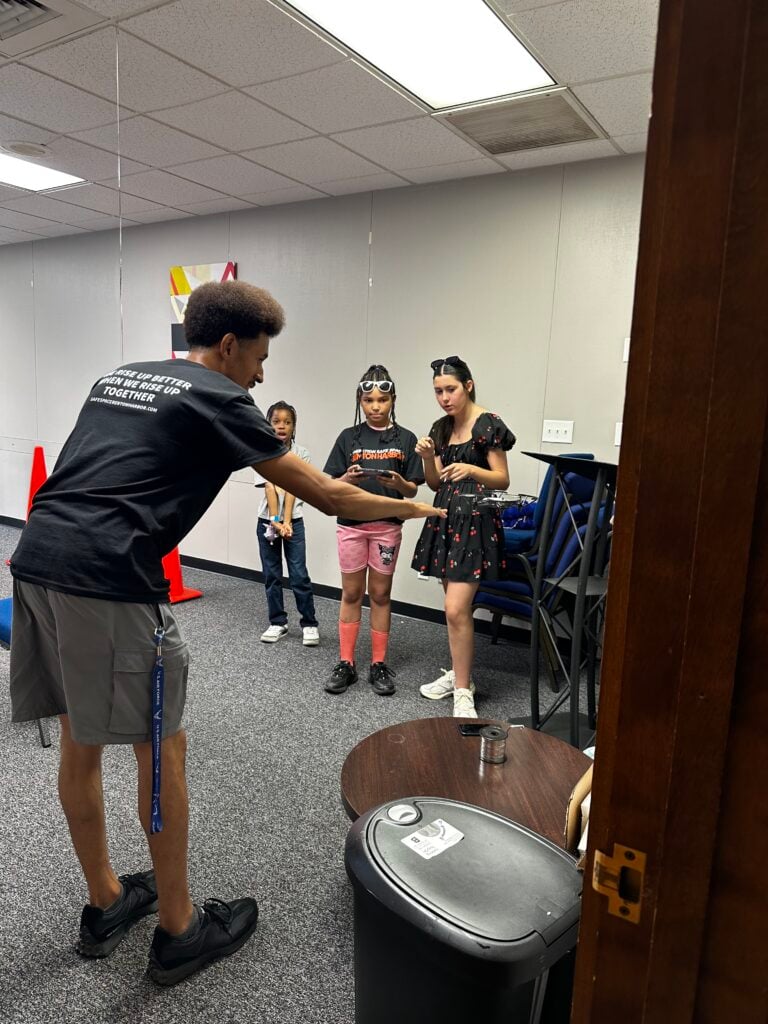
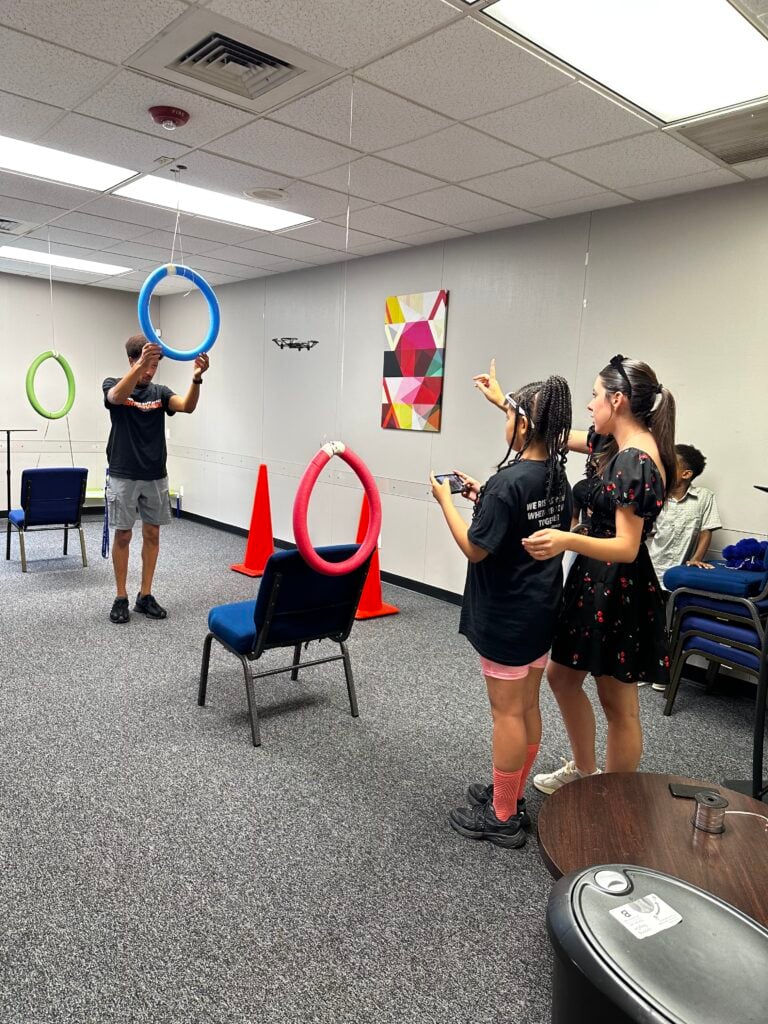
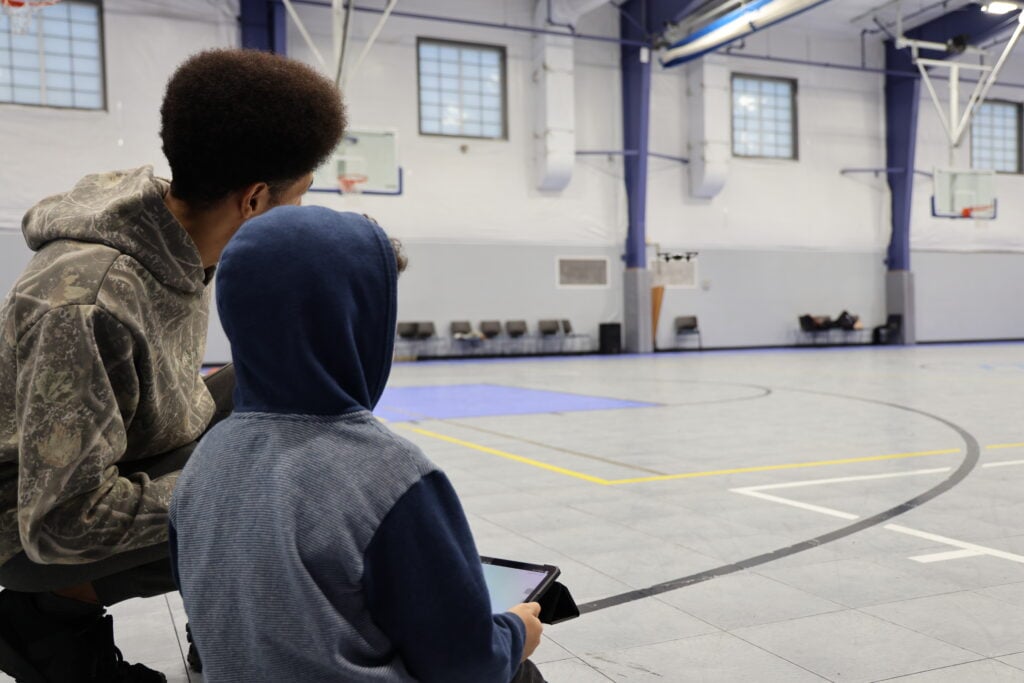
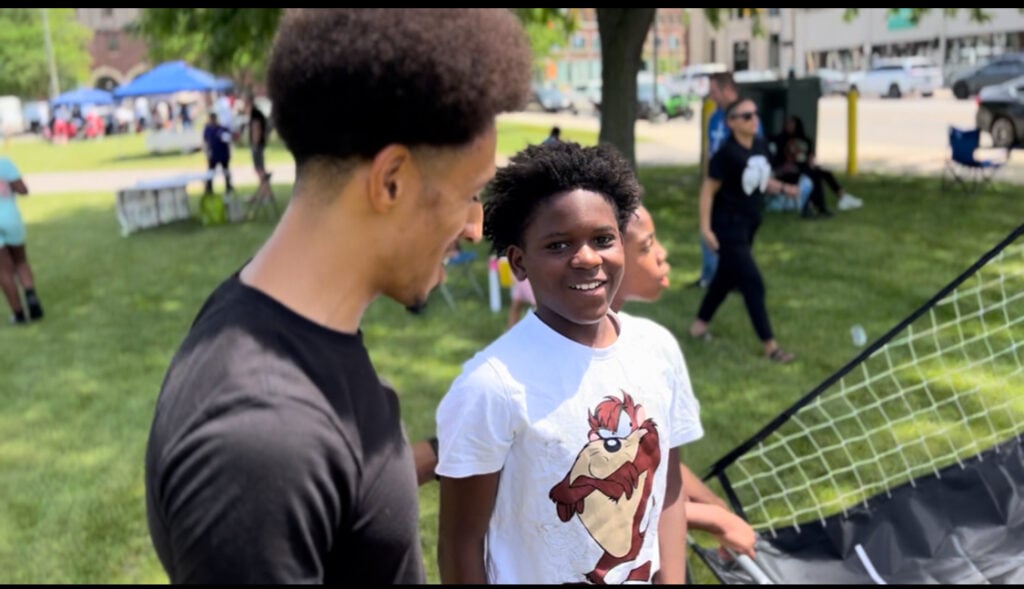
“This facility is specifically for young individuals who are looking to be entrepreneurs or learn how to do different tech stuff to get their foundation,” said Garcia. “They don’t necessarily have to be doing this at school, but they can come to the [Boys and Girls] Club and learn about VR; they can learn about e-gaming; they can learn about drones [and] 3D printing; they can learn about music production, and so many other things.”
Garcia also guides students through a final capstone project where they attempt to solve real-world issues through coding and other skills they’ve learned. The question he poses to students is: “If their community is struggling in a certain capacity, how could they aid the community better?”
A point of pride for Garcia is seeing students be “emotionally aware of their circumstances” and desiring more for their lives, whether intellectually or spiritually.
“They’ll talk about how much they need God in their lives,” said Garcia. “How much they want to transcend the situations that they’re in and how they want to pursue things, and that they feel that if they give it all to God, things will actually come to fruition. I don’t think I had the vocab to even explain some of the things that they are expressing at that age.”
Garcia has felt particularly blessed by God for the ability to do ministry through the computer science skills he cultivated coming out of high school, in addition to his pastoral ministry. He tries to remind his students that God is the source of all current and future success.
“The only reason we got here is because God got us here. So, the only reason you’ll get to where you’re getting is because God will get you there.”
Andrew Francis is an undergraduate senior at Andrews University studying communication, public relations and behavioral science. He currently works in various communication positions within and outside of the Seventh-day Adventist church, predominantly as a freelance journalist.