
When expatriate missionaries evacuated the Solomon Islands during World War II, they entrusted the Adventist Church’s work to Kata Ragoso (1902–1964), a Solomon Islander pastor and tribal chief. From 1942 to 1945, he served as mission superintendent during one of the most dangerous periods in his people’s history.1
Ragoso understood that war threatened both human lives and the institutions the church had painstakingly established. He called together one hundred Adventists to hide the missionaries’ possessions and the equipment of the Batuna hospital and school. They constructed storage buildings in the forest, labeled and concealed the supplies, and moved two mission boats upriver. After removing their masts, they covered the vessels with leaf shelters so that enemy aircraft could not detect them.
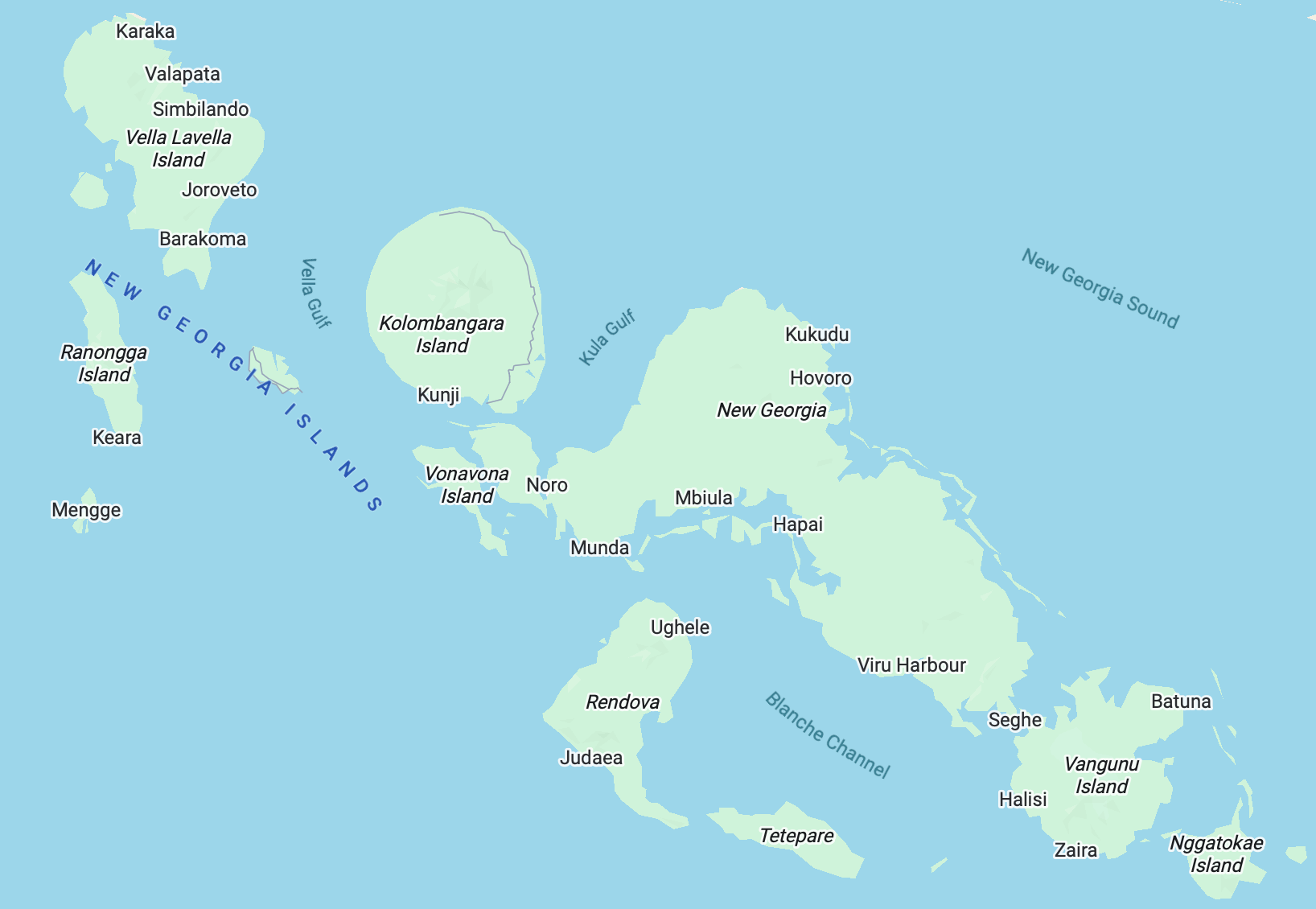
Protecting property was only part of Ragoso’s mission. He established a network of watchmen stretching from Nggatokae Island to Vella Lavella Island. Whenever an Allied aircraft was shot down, the watchmen reported it, and Ragoso sent men to locate the survivors. They sheltered the airmen in villages and mission stations, shared their limited food, and transported them through Japanese-held territory to Allied coast watchers. Such service came at enormous personal risk. In May 1943, Japanese forces imprisoned Ragoso at Seghe. During four interrogations, he was flogged while lying face down across a large metal drum. Yet he refused to abandon his responsibilities. On May 29, he and a companion escaped and resumed their work.
The best-known rescue associated with this Adventist network involved Lt. John F. Kennedy (1917–1963), the future president of the United States. On Aug. 2, 1943, a Japanese destroyer rammed Kennedy’s patrol boat, PT-109. Two crewmen died, while Kennedy and 10 survivors eventually reached a small island. Biuku Gasa (1923–2005) and Eroni Kumana (c. 1918–2014), two young Solomon Islanders educated by Adventist missionaries and serving as Allied scouts, discovered the stranded men. Because their canoe could not carry the entire crew, Kennedy carved a message into a coconut husk. Gasa and Kumana carried it through dangerous waters to Allied forces, making the crew’s rescue possible. Kennedy later preserved the coconut as a reminder that his life had depended upon the courage of two largely unknown islanders.
The rescue was not an isolated act. Ragoso reported that Adventists helped save 27 American airmen and 187 Australian and New Zealand servicemen during the war. Their courage grew from a faith that did not retreat when circumstances became dangerous. While armies struggled for control of the islands, Ragoso and his people demonstrated another kind of power — the power of courageous, self-sacrificing service.
Denis Kaiser is an associate professor of church history at the Seventh-day Adventist Theological Seminary at Andrews University.