
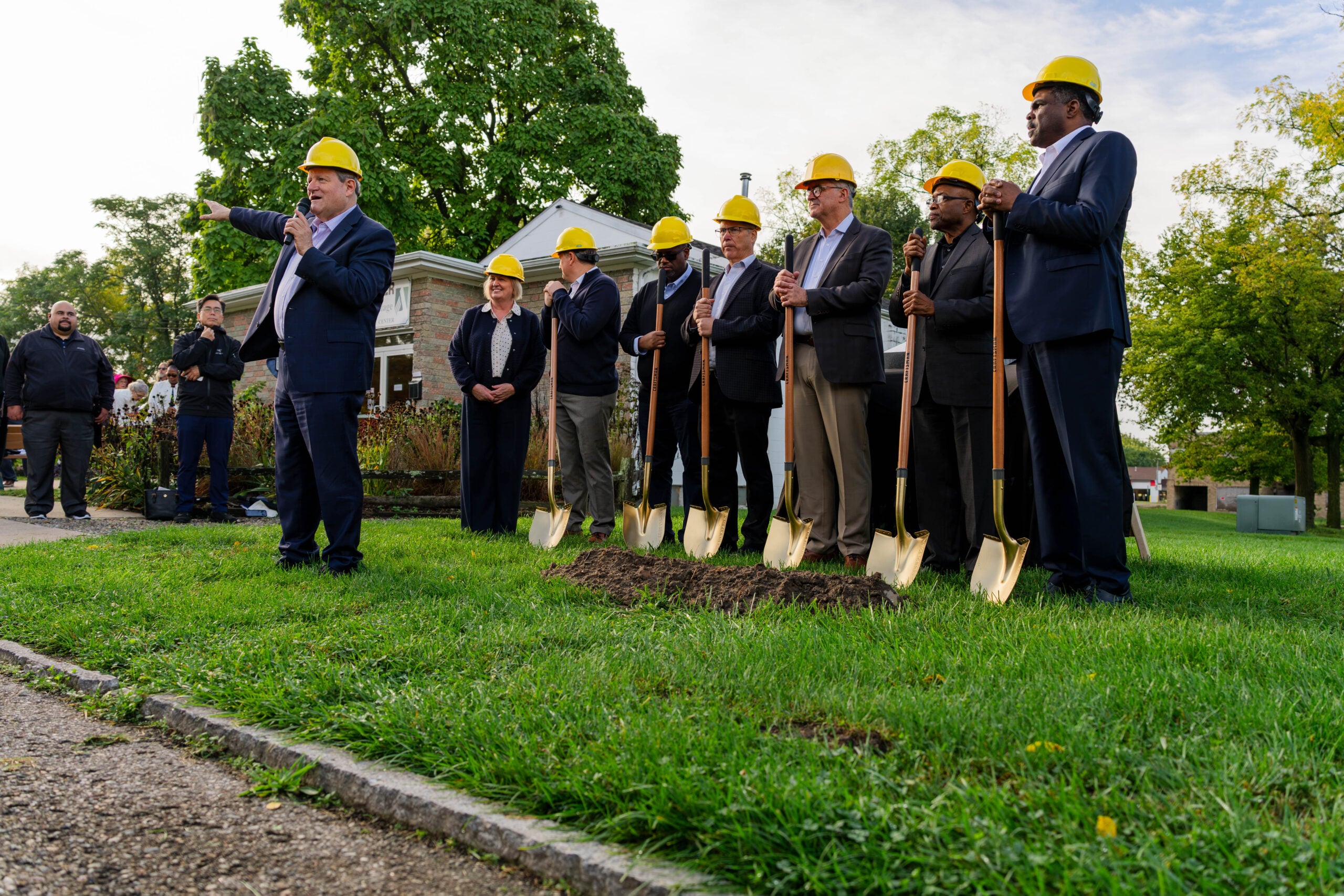
At the center of the effort are plans to build a smaller-scale replica of the Dime Tabernacle, which would serve as the village’s new visitor center, and a replica of the Western Health Reform Institute, the denomination’s first health institution.
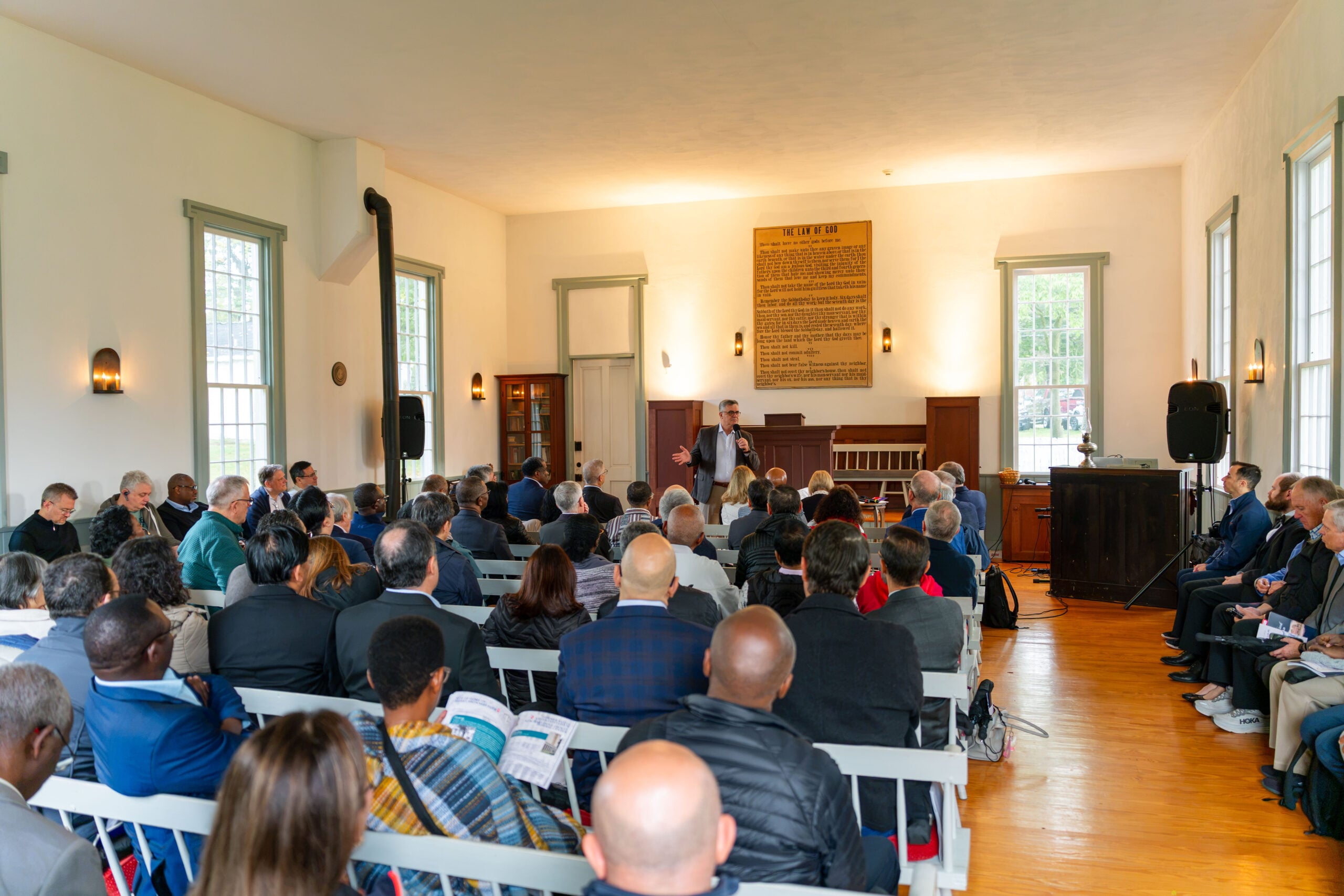
“This place belongs to all of us,” Köhler told church leaders gathered Friday, Oct. 2, at the Historic Meeting House at the village.
Köhler has invited leaders from the church’s world divisions and other Adventist institutions to help develop the Battle Creek site, where the early Seventh-day Adventist movement took organizational shape and established publishing, health, education and other ministries that eventually spread around the world.
He said the goal is to create a historic site that more fully represents a worldwide church while helping younger generations connect with the denomination’s beginnings.
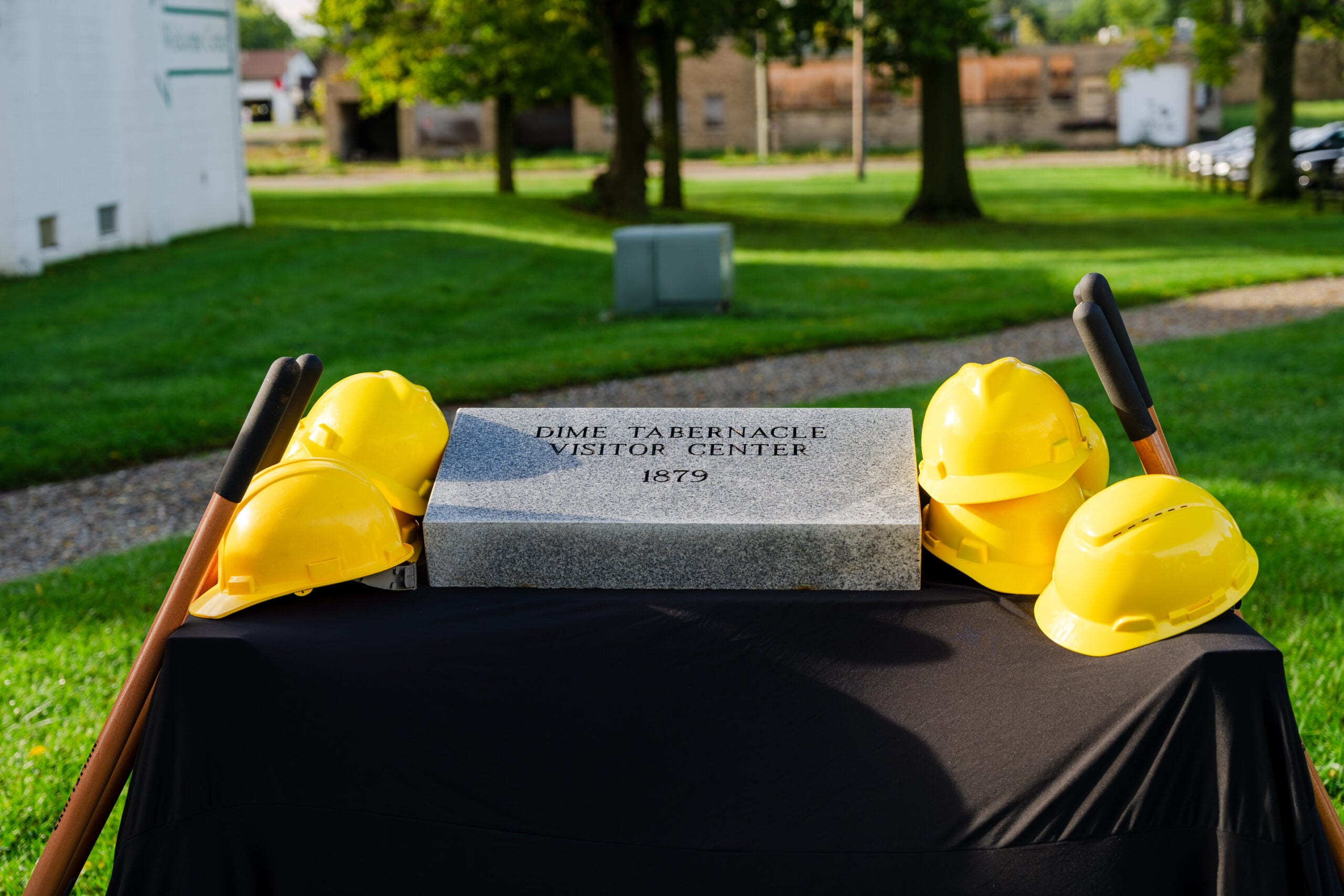
One of the largest proposed projects is a replica of the Dime Tabernacle, built in 1878-79 as Battle Creek’s fourth Adventist meeting house. The tabernacle became an important center of Adventist worship, organization and mission before it was destroyed by fire in 1922.
The proposed replica would serve as the village’s visitor center, with an auditorium seating approximately 150 to 200 people and exhibits introducing visitors to Battle Creek’s Adventist story before they tour the surrounding historic properties.
Köhler said the project is expected to cost about $3 million, with approximately $2 million already committed through the General Conference and donors.
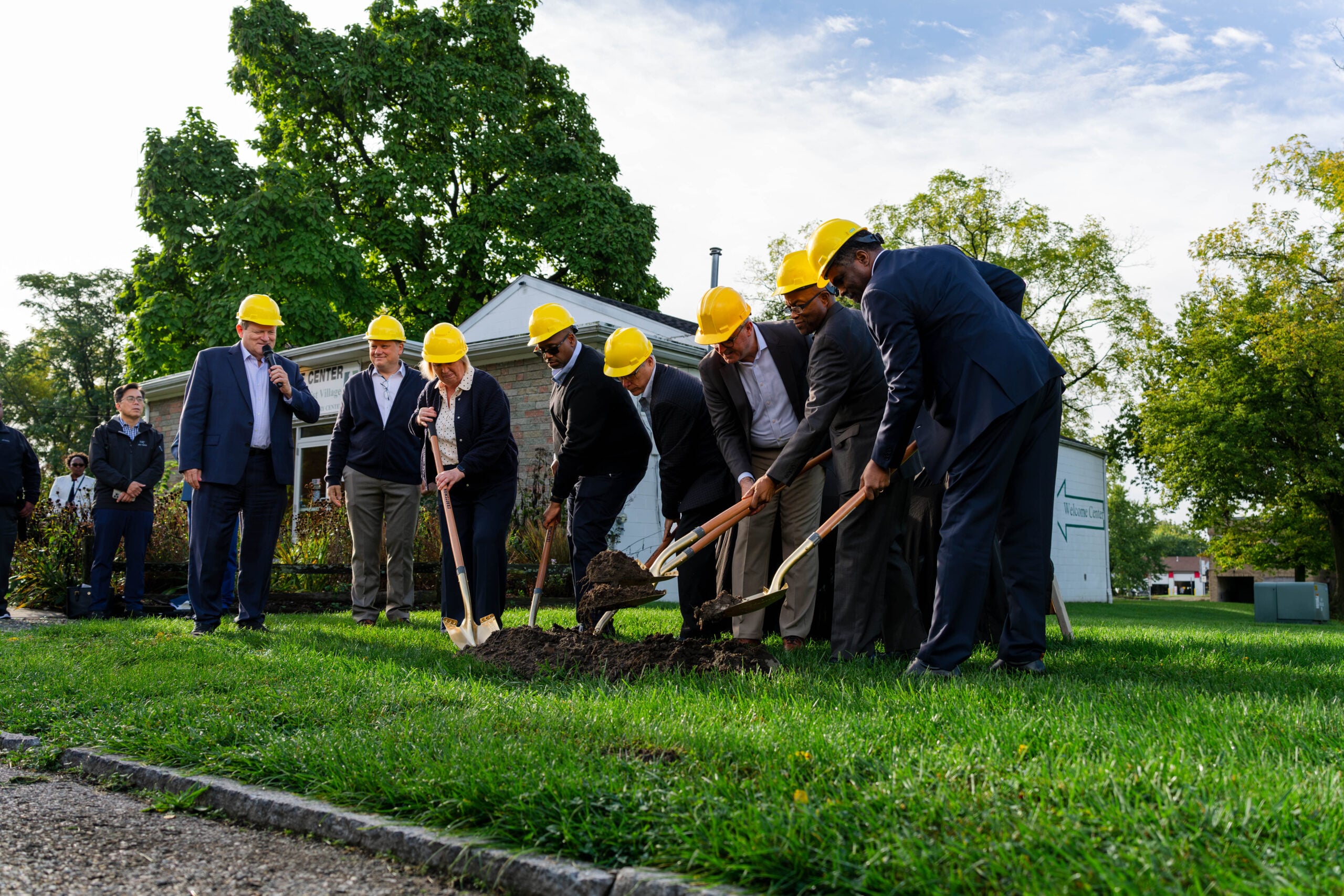
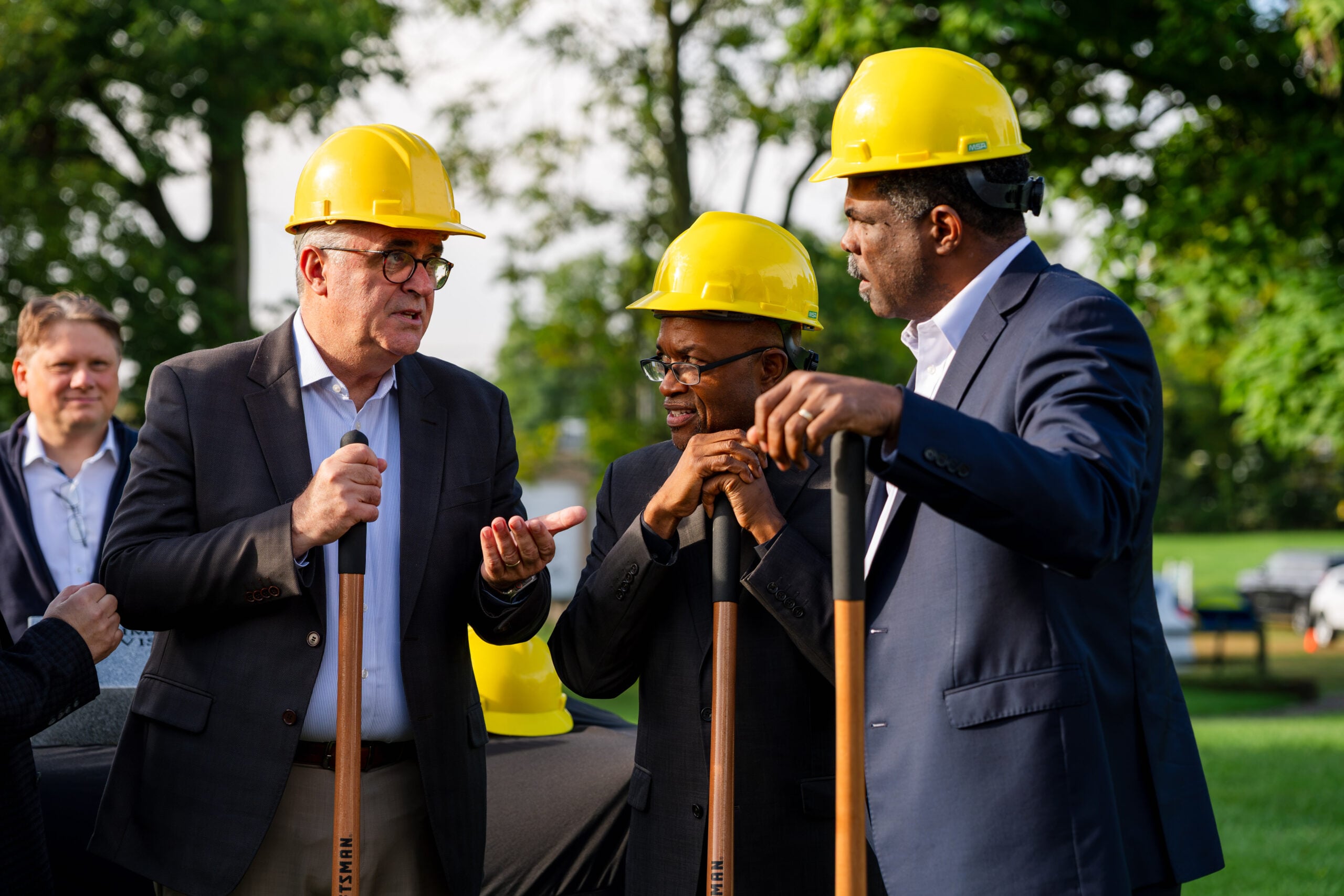
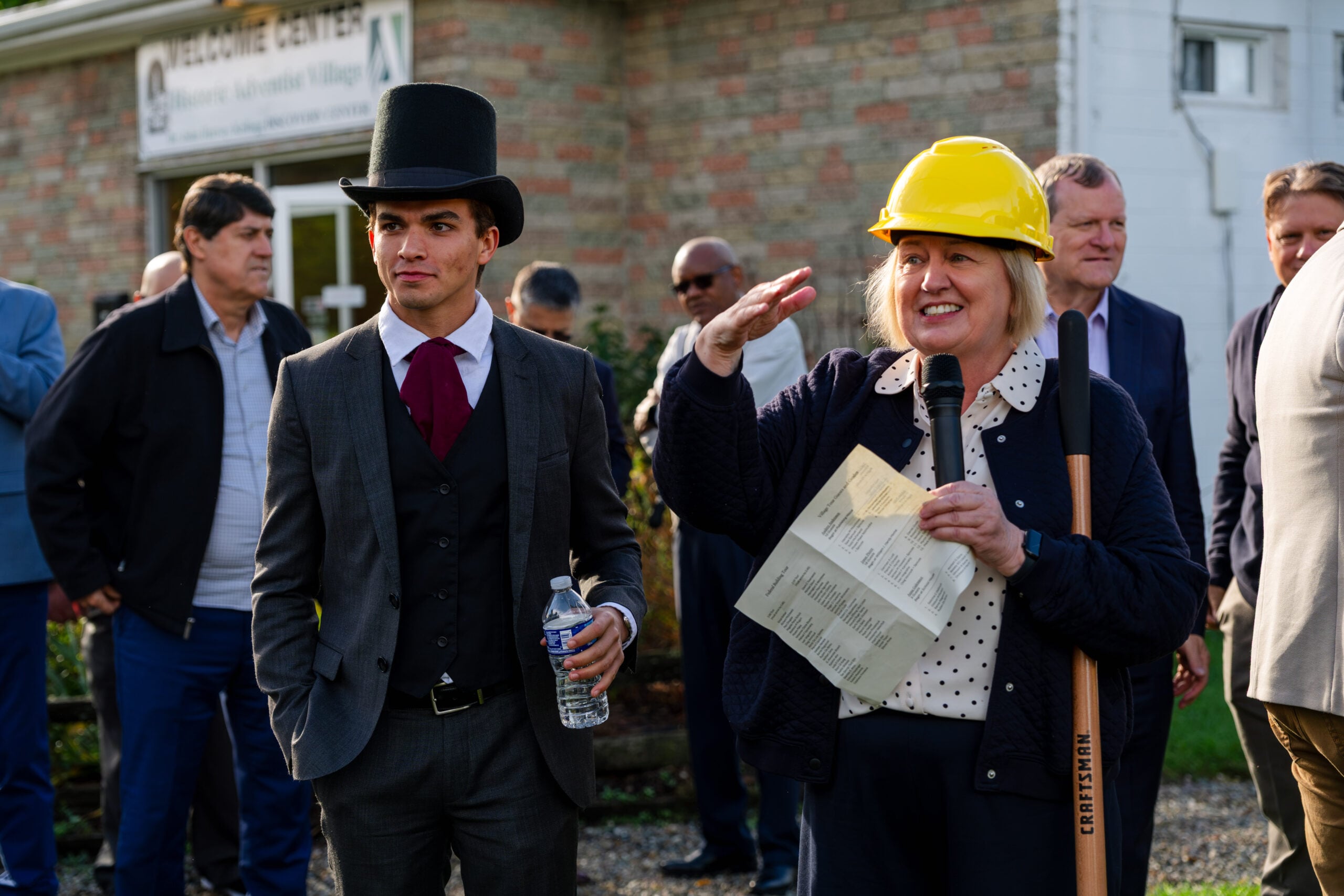
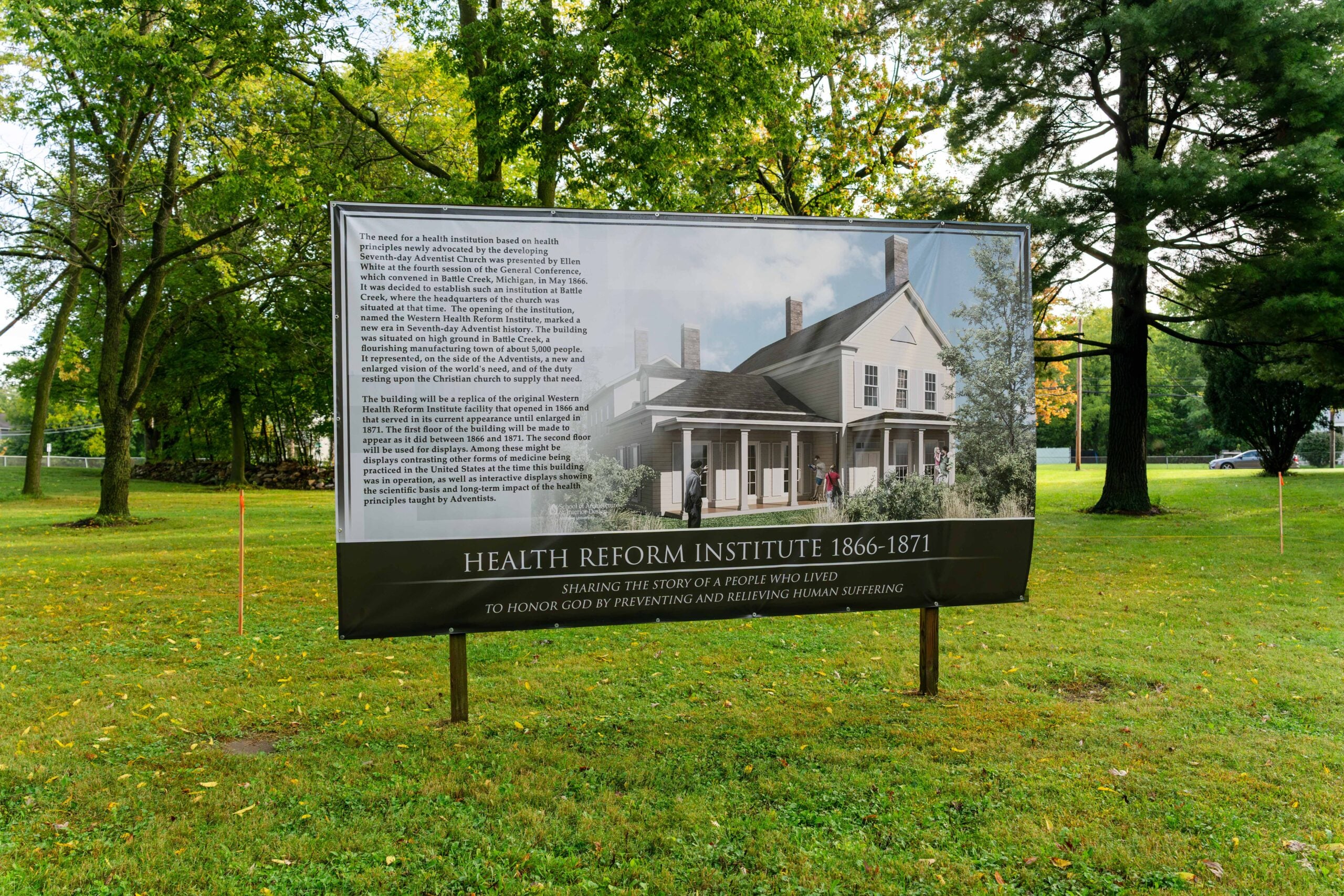
A second major project would recreate the Western Health Reform Institute, which opened in Battle Creek in 1866 as the denomination’s first health institution. The institute reflected the developing Adventist belief that caring for the whole person was an integral part of the church’s mission. It later developed into the Battle Creek Sanitarium and helped lay the foundation for Adventist health ministry worldwide.
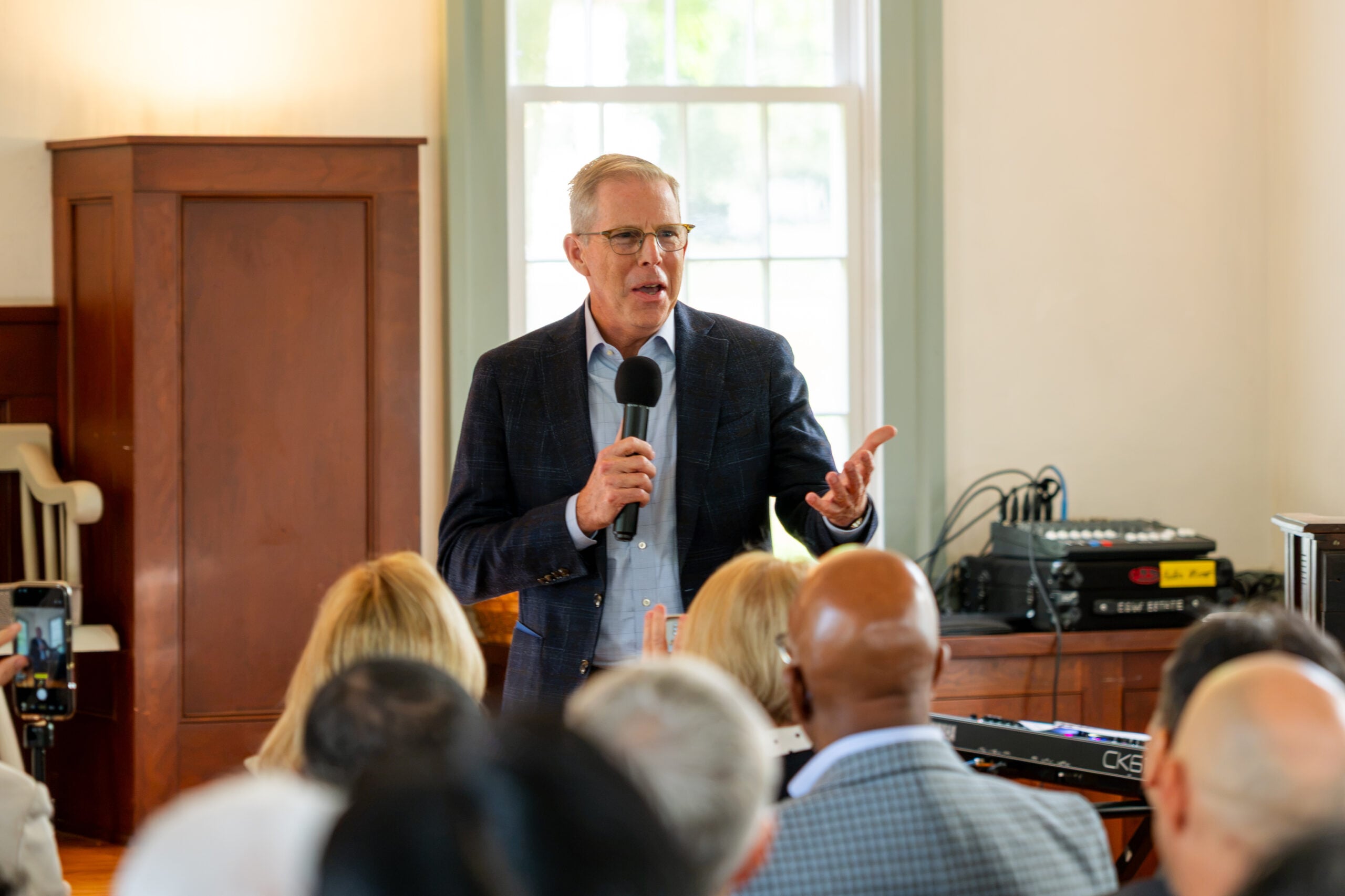
Köhler approached AdventHealth President and CEO David Banks about supporting the project. Their conversations expanded into an effort to involve Adventist health care organizations across North America in rebuilding a place that represents their shared roots.
Banks said the connection between Battle Creek and Adventist health care remains relevant to leaders today.
“Mission is both organizational and personal,” he told the group.
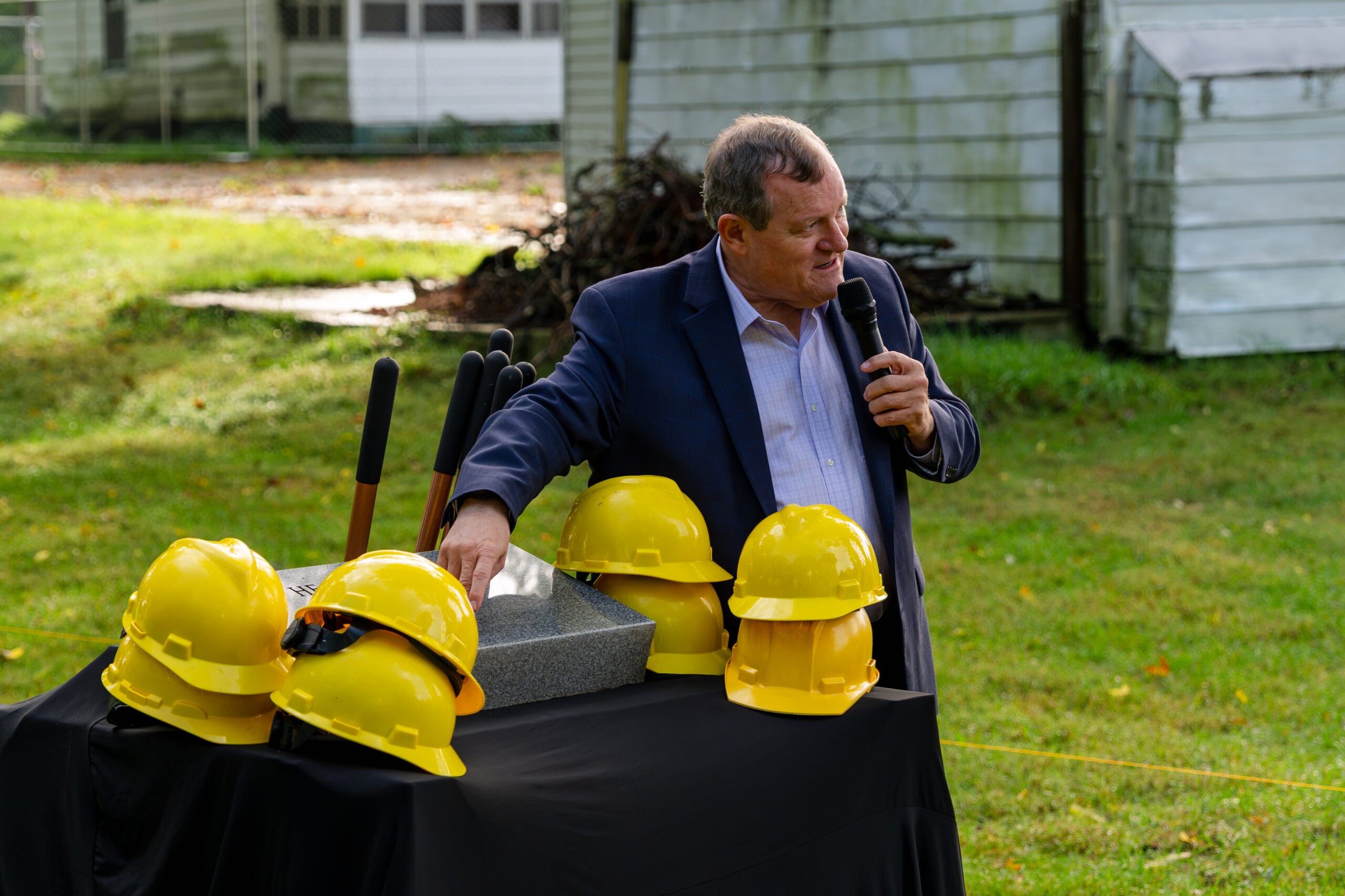
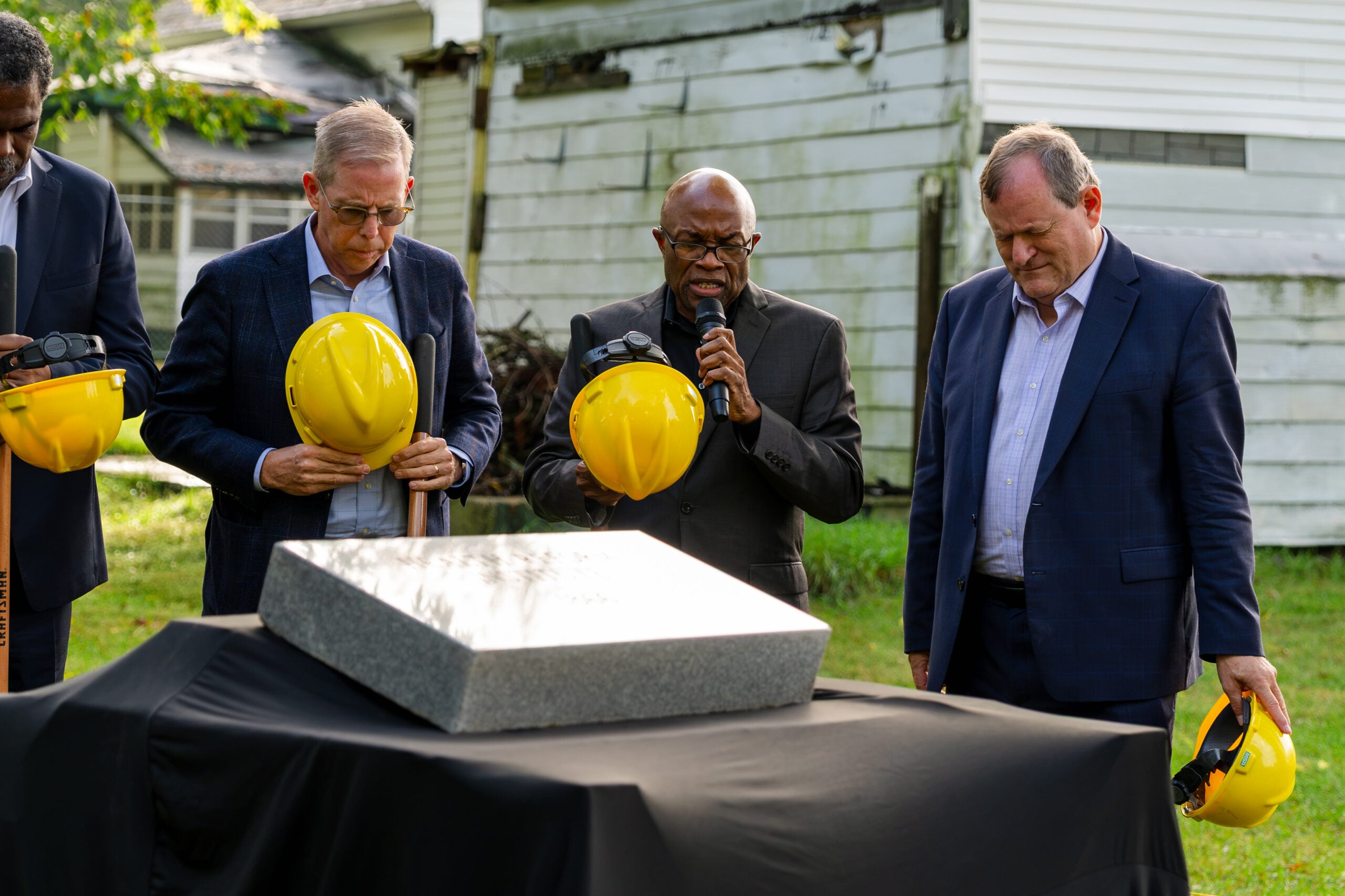
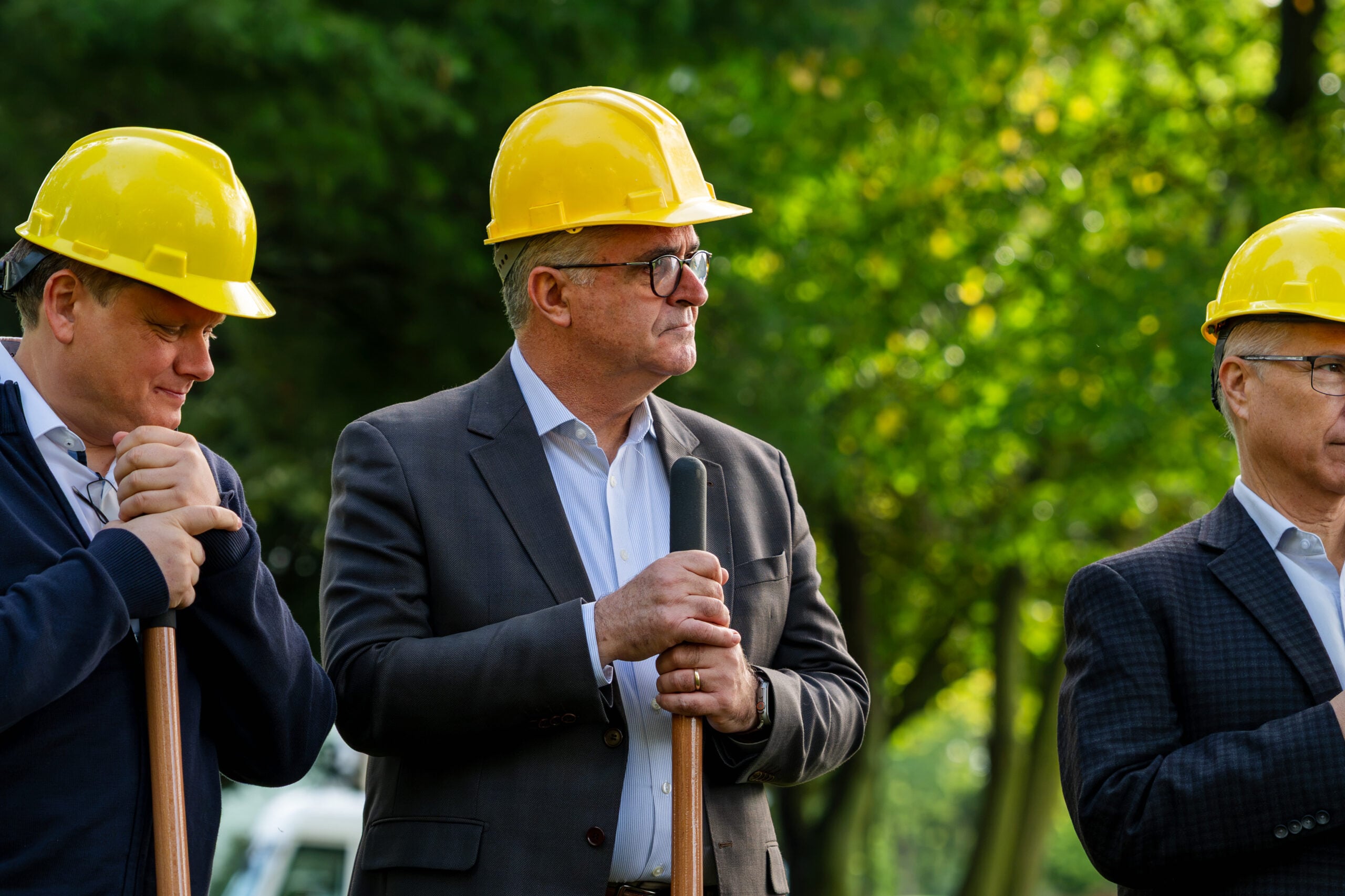
Over the past two years, Banks said, more than 100 AdventHealth leaders have visited Battle Creek to study the origins of Adventist health ministry and better understand the mission behind their work.
“I can tell you they come back changed,” Banks said, adding that the experience leaves leaders “more deeply understanding what the health movement is about.”
For Banks, the connection is also personal. His family is marking 60 years as Seventh-day Adventists. He said his mother was offered a job at a small Adventist hospital when the family was not Adventist, and the compassion they experienced there eventually led them to join the church. Banks said that experience gave him a personal understanding of the reach of Adventist health ministry.
Beyond constructing the two replicas, plans call for restoring existing historic homes, updating exhibits and improving the village grounds with walkways, lighting and gathering areas. Köhler also envisions greater use of technology to help younger visitors engage with the people and events represented at the village.
Some world church divisions have already stepped forward to support the broader restoration effort, and Köhler recognized several of those partners during the Oct. 2 gathering.
North American Division President G. Alexander Bryant was recognized for the division’s ongoing financial support of Historic Adventist Village. Köhler said the NAD provides annual appropriations to help maintain and improve the site.
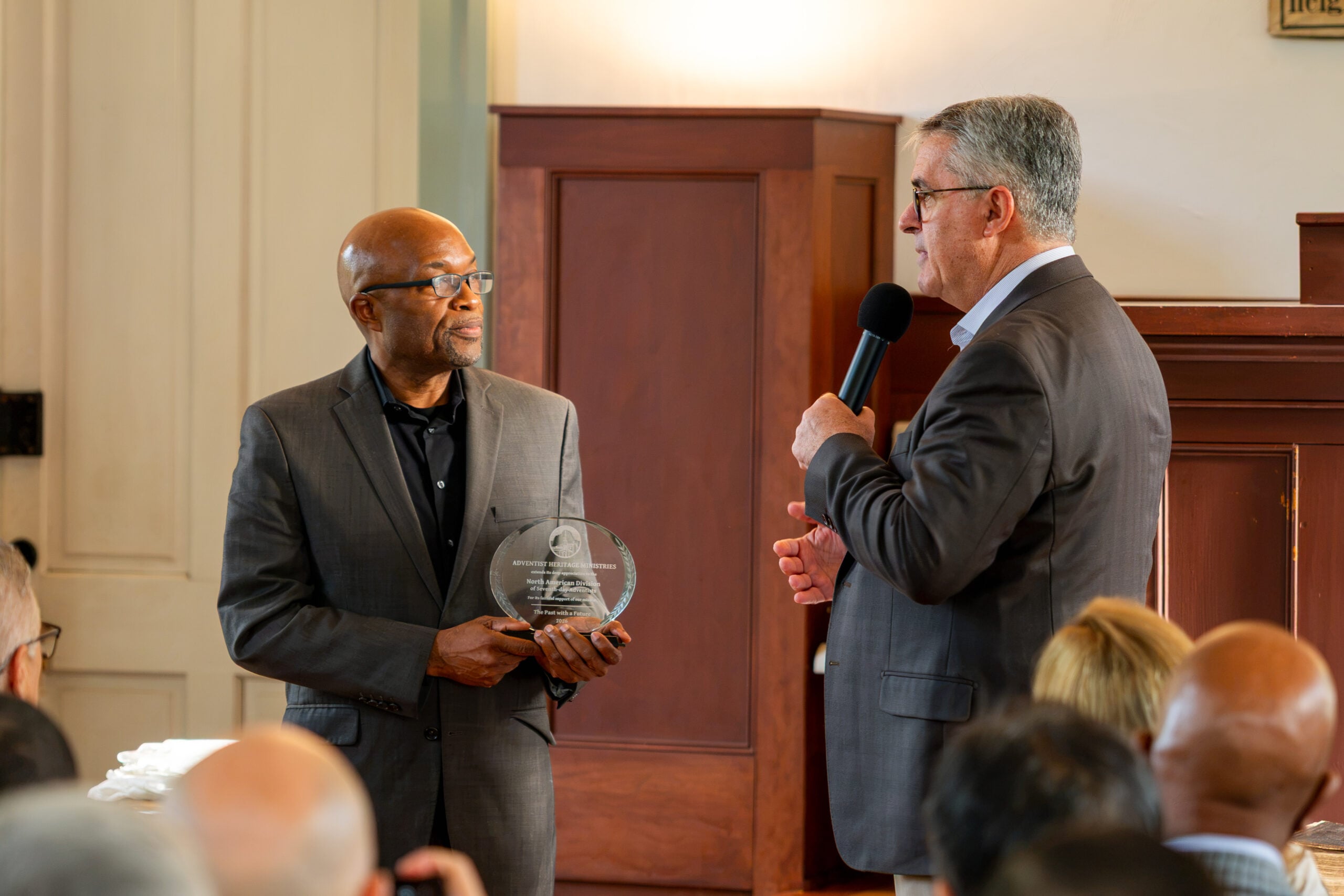
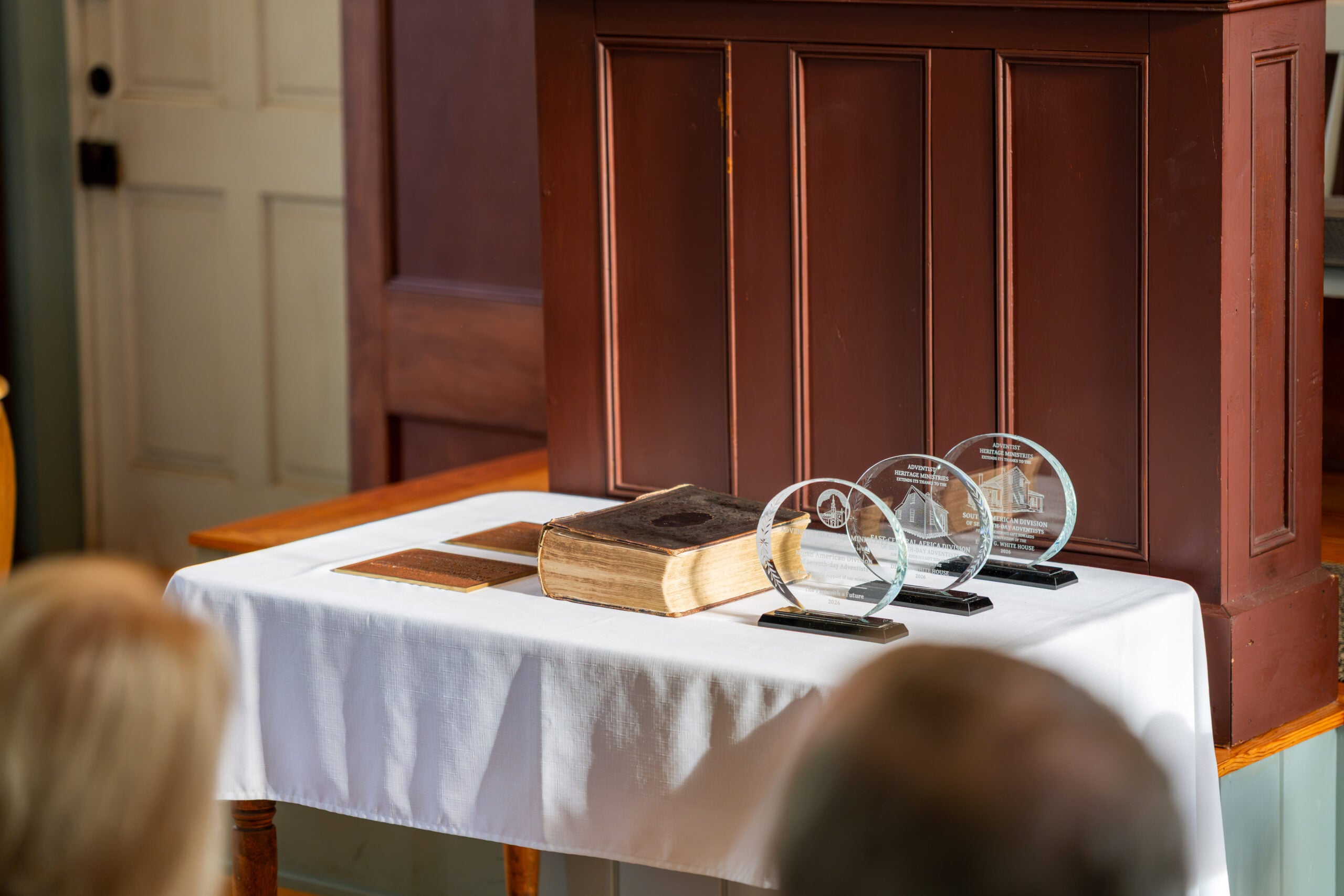
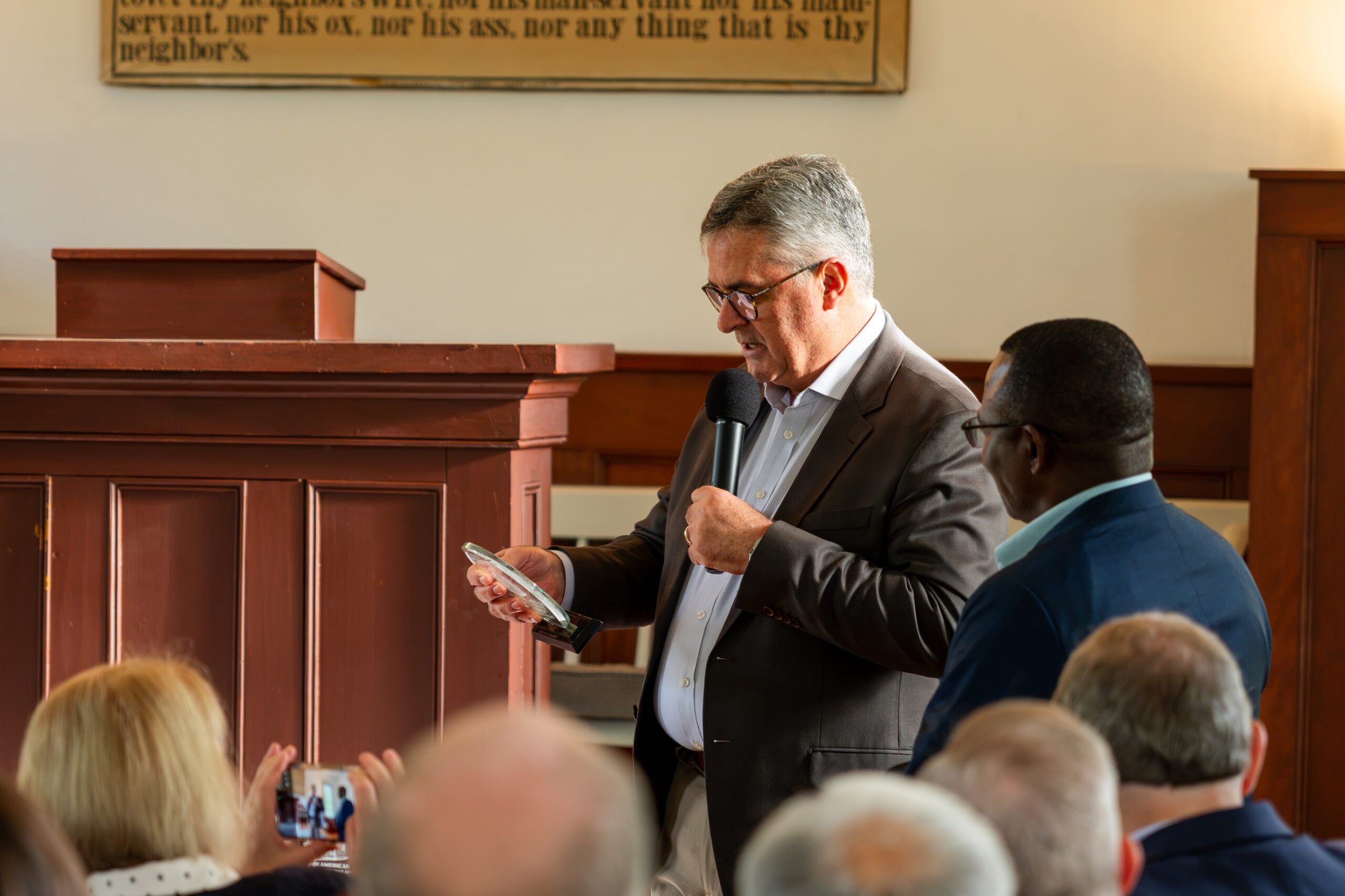
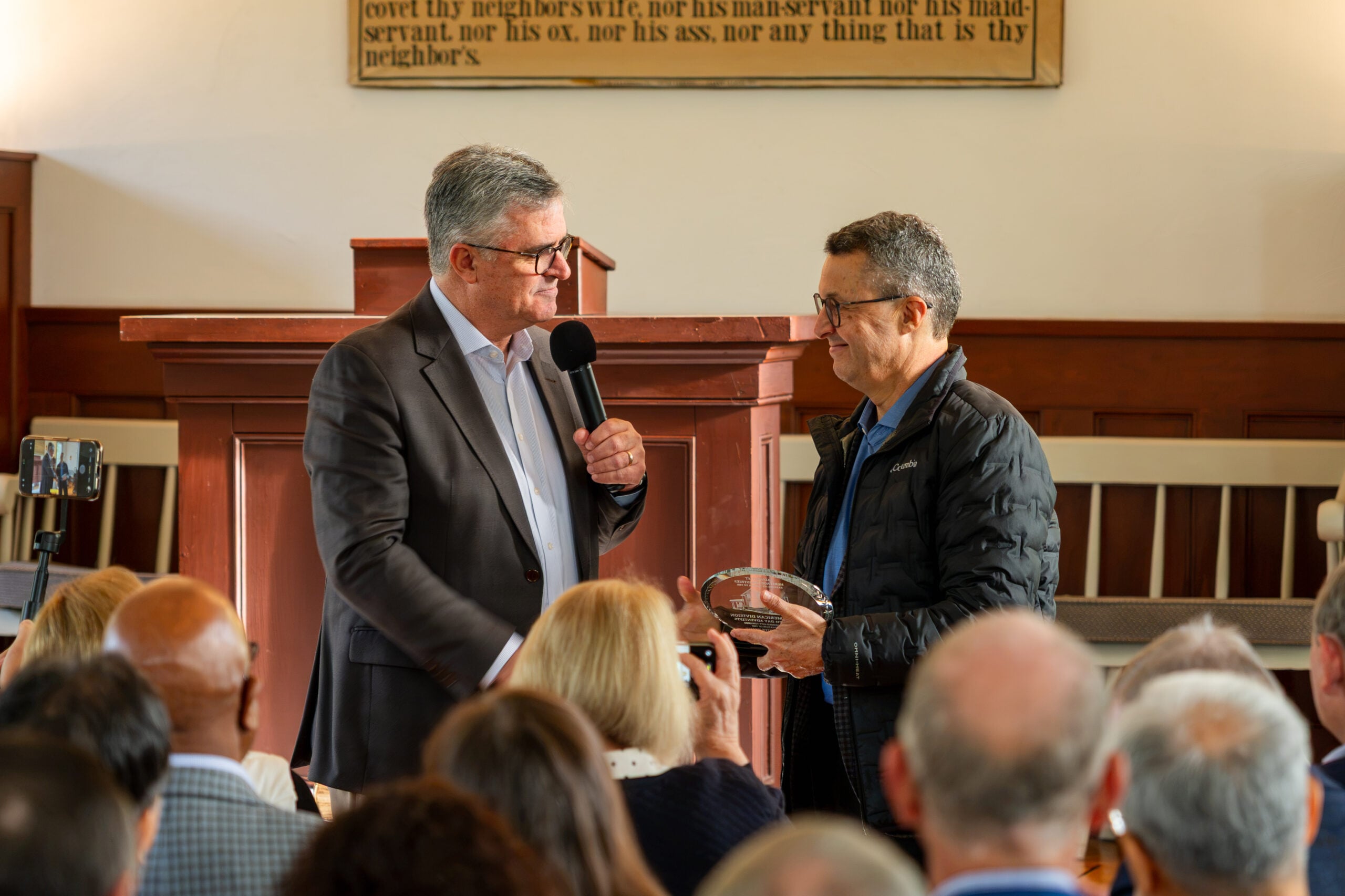
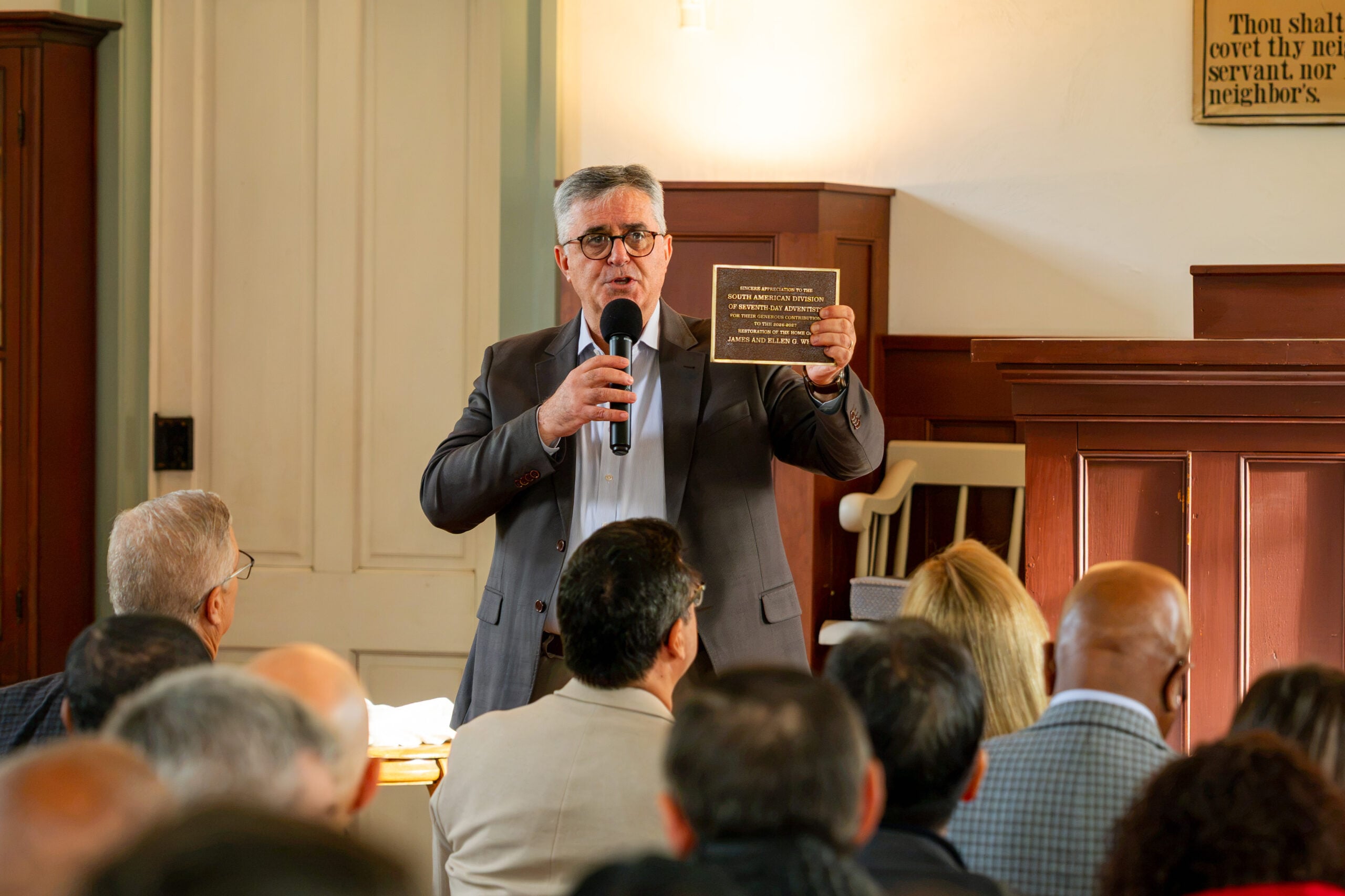
The East-Central Africa Division, represented by Secretary Moses Maka, was recognized for a contribution toward restoration efforts. A recognition plaque is to be placed at the Deacon John and Betsey White Home, the home of James White’s parents. The small house, located across the street from the James and Ellen White home, was the first property purchased in 1980 by the group of Adventist lay members who founded Adventist Heritage Ministries the following year.
South American Division President Stanley Arco was recognized for the division’s contribution toward restoration of the James and Ellen White Home. Köhler said some of the funds have already been used for urgent work, including replacement of the roof, while additional interior restoration remains.
The home is the oldest surviving Adventist structure in Battle Creek. James and Ellen White lived there from 1856 to 1863, during formative years of the Adventist movement. It served as a center for family life, writing, worship and ministry. In 1858, Ellen White wrote the first edition of “The Great Controversy” there.
The General Conference also is seeking additional partners for other parts of the village. Köhler said seven Adventist publishing houses have joined together to contribute $200,000 toward renovating the interior of the publishing house replica and expanding its interpretation of the denomination’s early publishing ministry.
The broader renewal is being developed with 2030 in view, when the General Conference Session is scheduled to meet in Indianapolis, a little more than two hours from Battle Creek. Köhler said the gathering could bring Adventists from around the world to Battle Creek and provide an opportunity for them to take the story of the church’s beginnings back to their own countries.
But he said the investment is ultimately about more than preparing for visitors in 2030. The aim is to ensure that the history represented in Battle Creek continues to speak to those who follow.
“We are inspiring people and renewing their commitment to the mission, to the identity,” Köhler told the Division leaders. “We have a dream and we invited you to come here today to dream with us because this is the beginning of all of us.”
Debbie Michel is editor of the Lake Union Herald.