
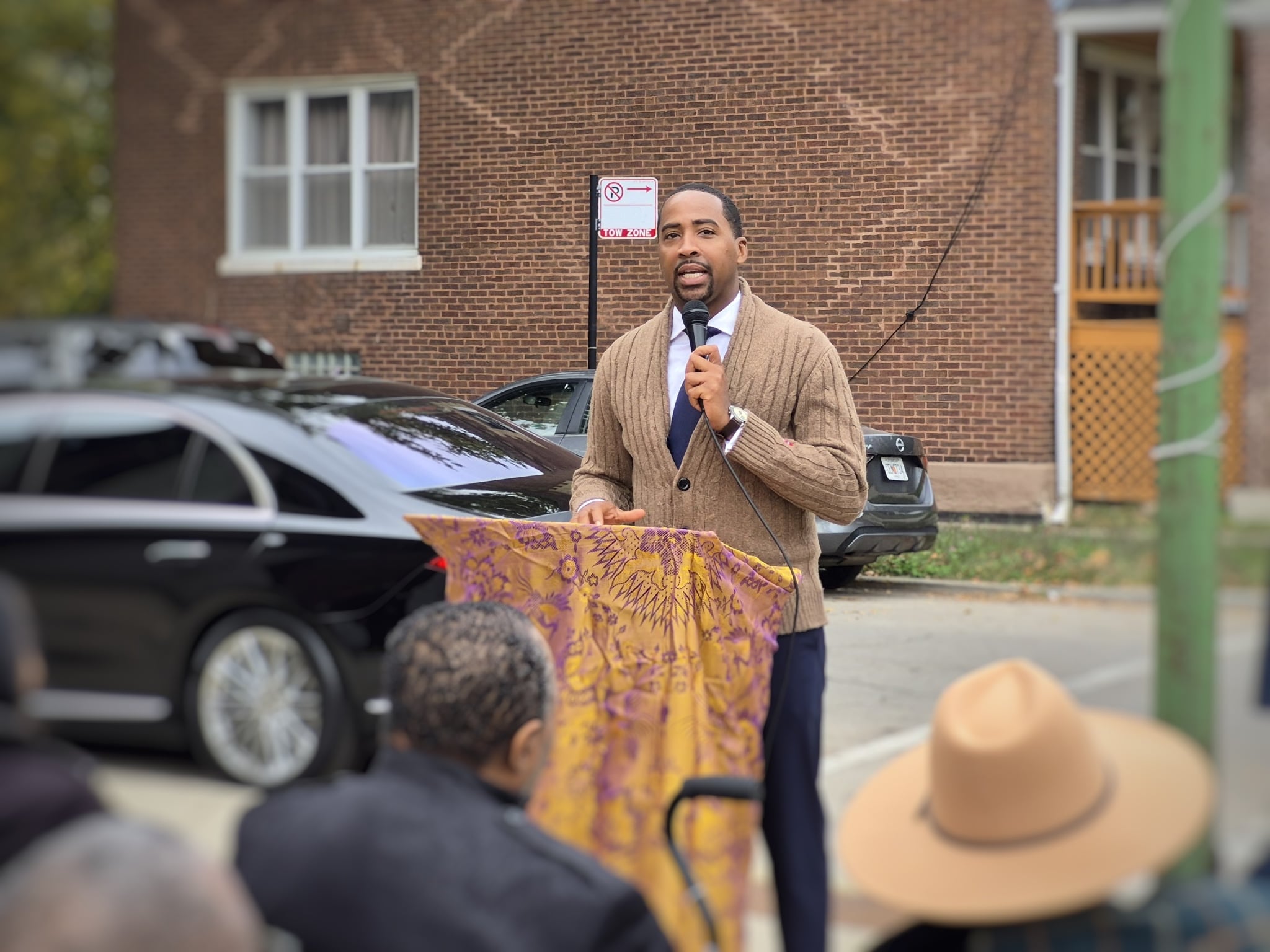
For more than a century, Shiloh Seventh-day Adventist Church has been a fixture on Chicago’s South Side, helping shape the history of Black Adventism while serving generations of families. On Sabbath, Oct. 31, 2026, the city recognized that legacy with an honorary street designation in the Park Manor community.
The designation, Shiloh Seventh-day Adventist Church Avenue, at 71st Street and Emmett Till Road, honors one of the oldest African American Adventist congregations in North America.
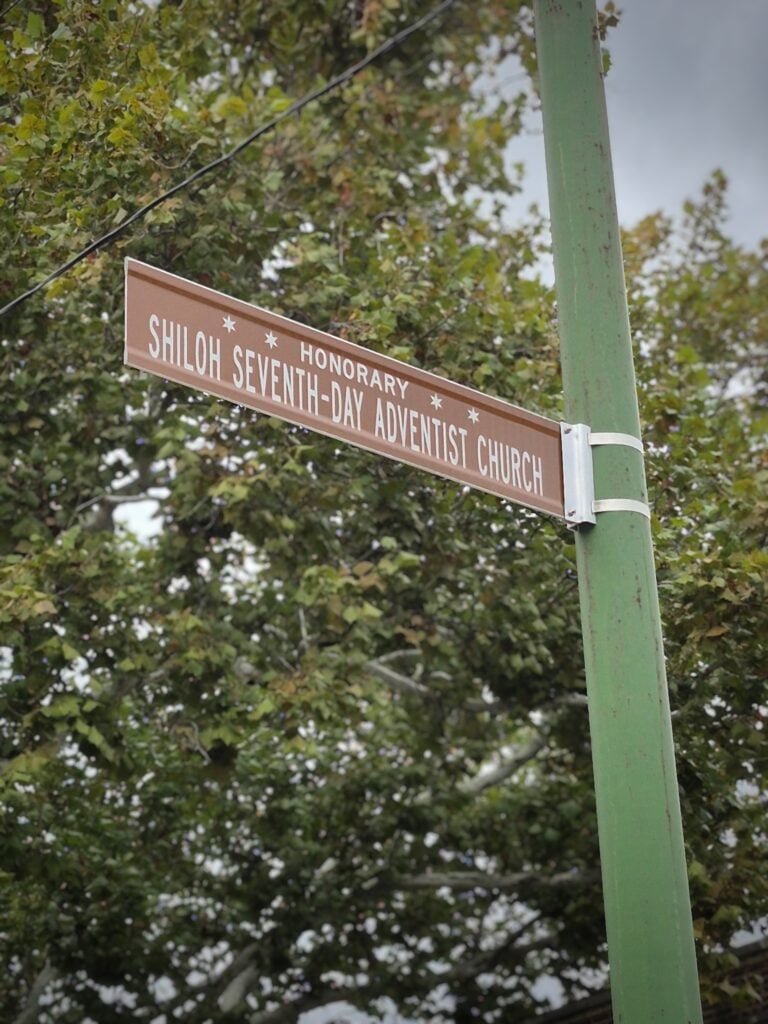
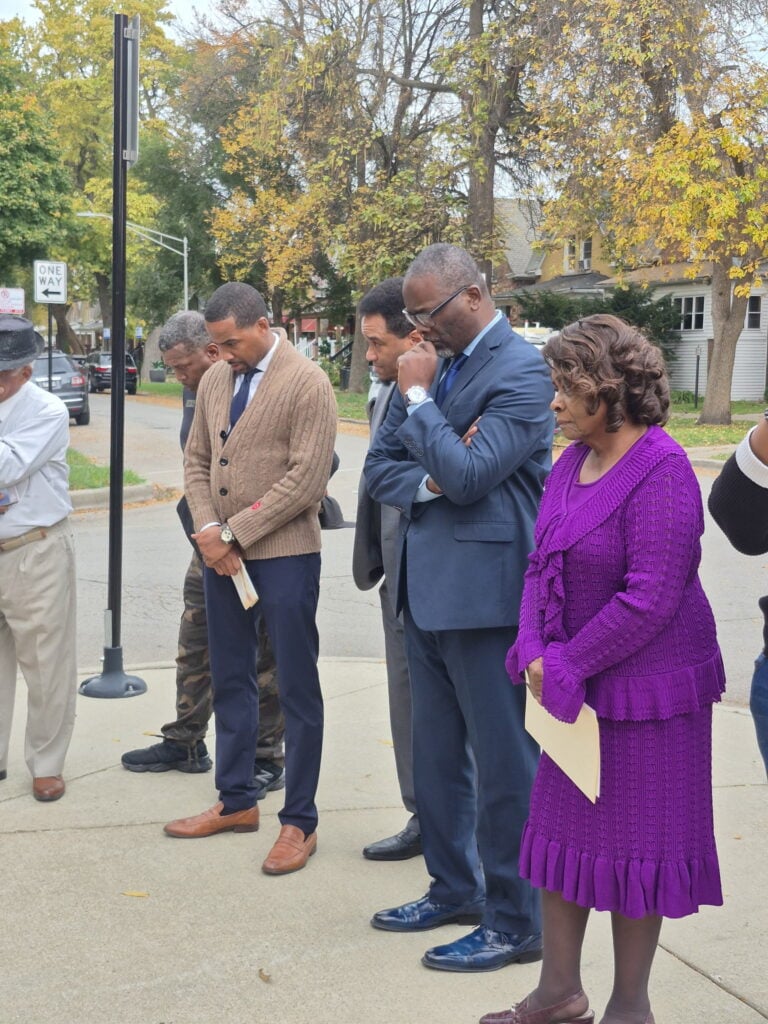
The ceremony brought together church members, community leaders and representatives of the Lake Region Conference to celebrate Shiloh’s 121 years of ministry.
Chicago City Council Alderman William Hall reflected on how much the world has changed since the church was established in 1905, when Theodore Roosevelt was president and a loaf of bread cost just five cents.
“As seasons have transitioned, Shiloh has stayed,” Hall told the group.
He reminded those gathered that the street naming was about more than adding a name to a sign. Drawing from Scripture, Hall spoke about the importance of preserving ancient landmarks so future generations would remember where they came from.
“We come this far by faith, leaning on the Lord, trusting in Him, His holy word. He hasn’t failed Shiloh yet,” he said, referencing a gospel song lyrics.
A Place in Adventist History
Shiloh’s influence extends well beyond the Park Manor neighborhood. Founded in 1905, the congregation grew to become one of the largest African American Adventist churches in North America.
One of its most significant contributions came Sept. 26, 1944, when delegates gathered at Shiloh and voted to establish the Lake Region Conference. The historic decision created the first regional conference for Black Seventh-day Adventists, opening new opportunities for church leadership and ministry throughout the Midwest.
Shiloh also played an important role in expanding access to Adventist education. In 1913, the church opened a school to serve children on Chicago’s South Side. That ministry eventually grew into what is now Chicago Seventh-day Adventist Christian School, which has educated generations of students.
As the congregation expanded, it acquired property along South Michigan Avenue in the 1940s to accommodate its growing membership and school. In 1969, Shiloh dedicated its current sanctuary at 7000 S. Michigan Ave., strengthening its presence in the Park Manor community.
A Legacy That Continues
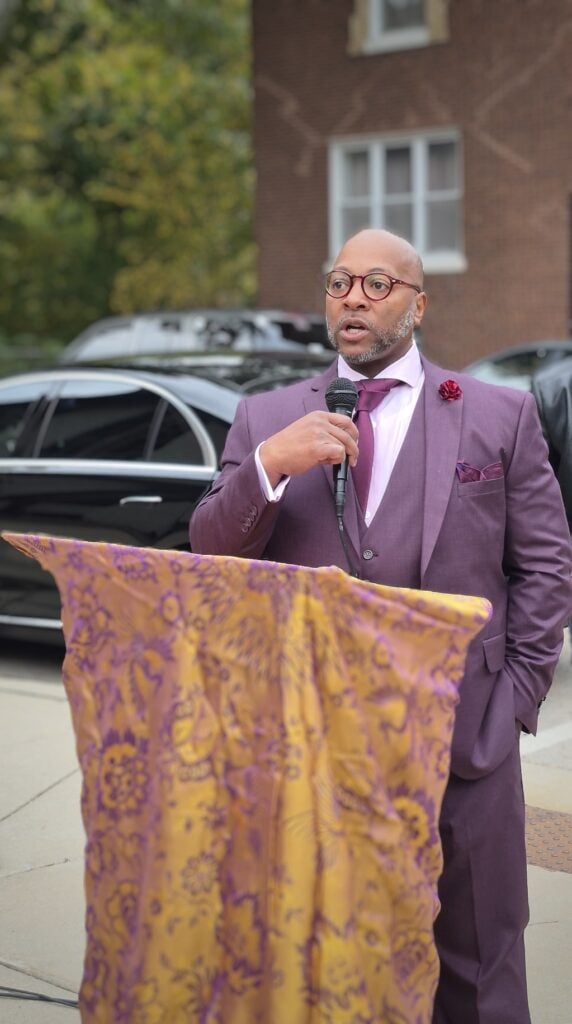
During the ceremony, Park Manor President Darlene Tribue spoke of Shiloh’s longstanding ties to the neighborhood.
“There’s a history here at Shiloh, and it will live on,” she said.
Representing the Lake Region Conference, Chicagoland Area Leader Richard Sylvester read a letter from Conference President Abraham Henry recognizing the congregation’s contributions to the wider church.
“Shiloh’s legacy is woven in the foundation of our shared mission and ministry,” Henry wrote.
The ceremony also brought together multiple generations of Shiloh members, some whose families have worshipped at the church for decades. Their presence reflected the connection between those who helped establish the congregation and those continuing its ministry today. Also present was Patrick Brutus, Shiloh Church Men’s ministry co-director, who initiated the street naming process.
Shiloh Pastor Christopher Clark opened and closed the ceremony with prayers for God to bless the church and its people to keep moving forward.
Nicole Moore is the communication director for Shiloh Seventh-day Adventist Church.