
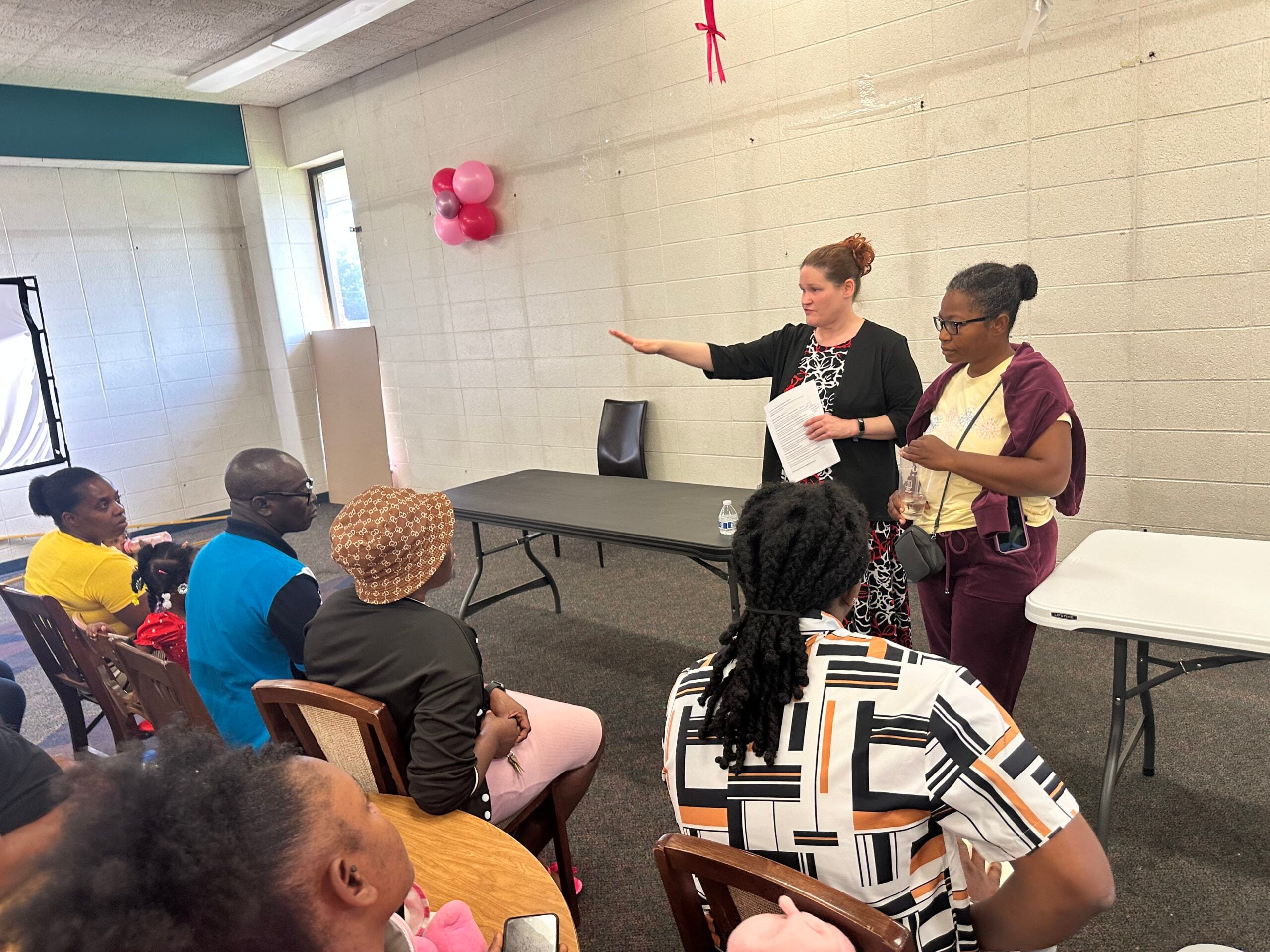
On a hot summer evening in Indianapolis, immigrant families gathered inside Maranatha Haitian Seventh-day Adventist Church to prepare for a possibility many hoped they would never face: being suddenly separated from their children or other dependents because of immigration enforcement.
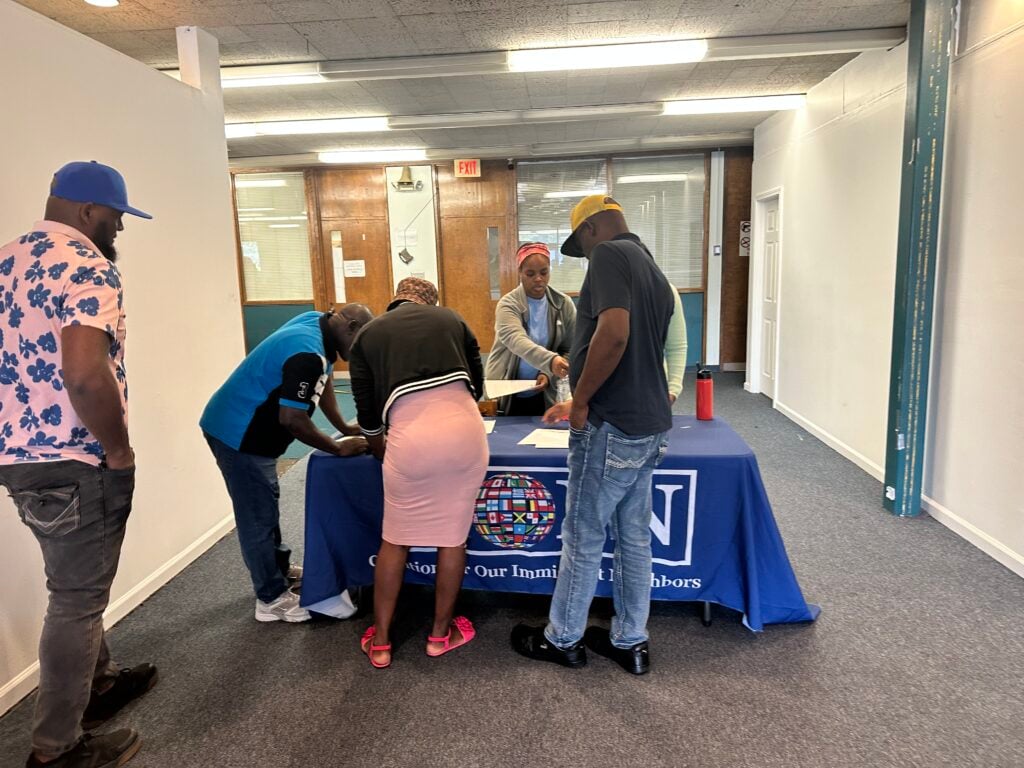
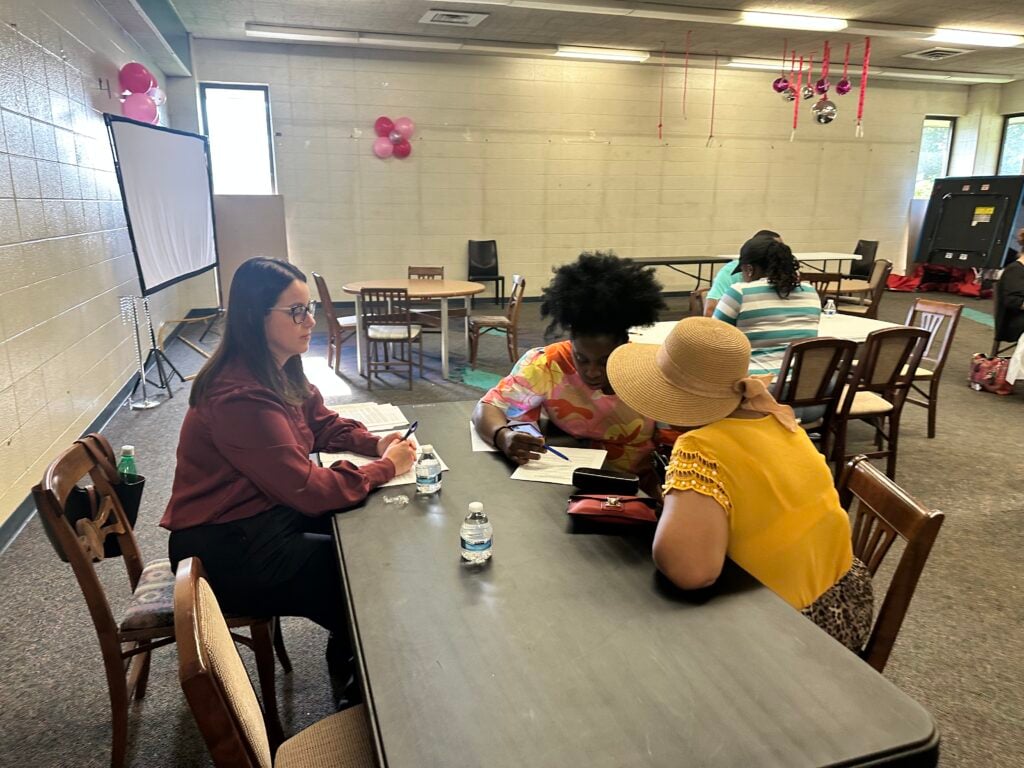
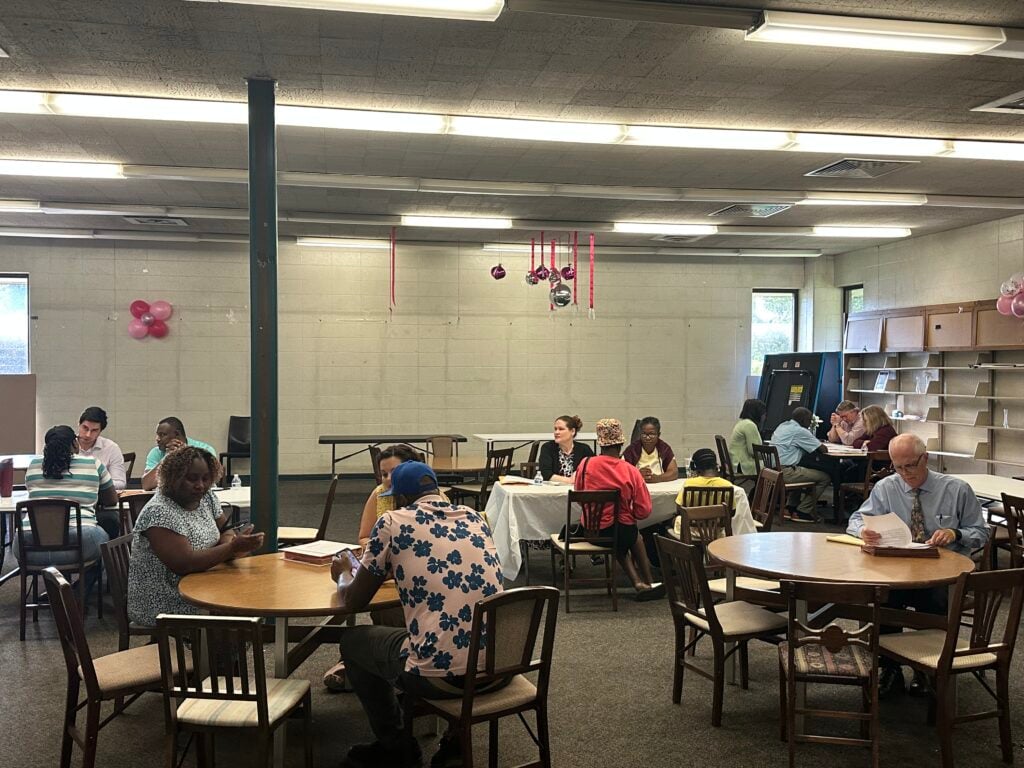
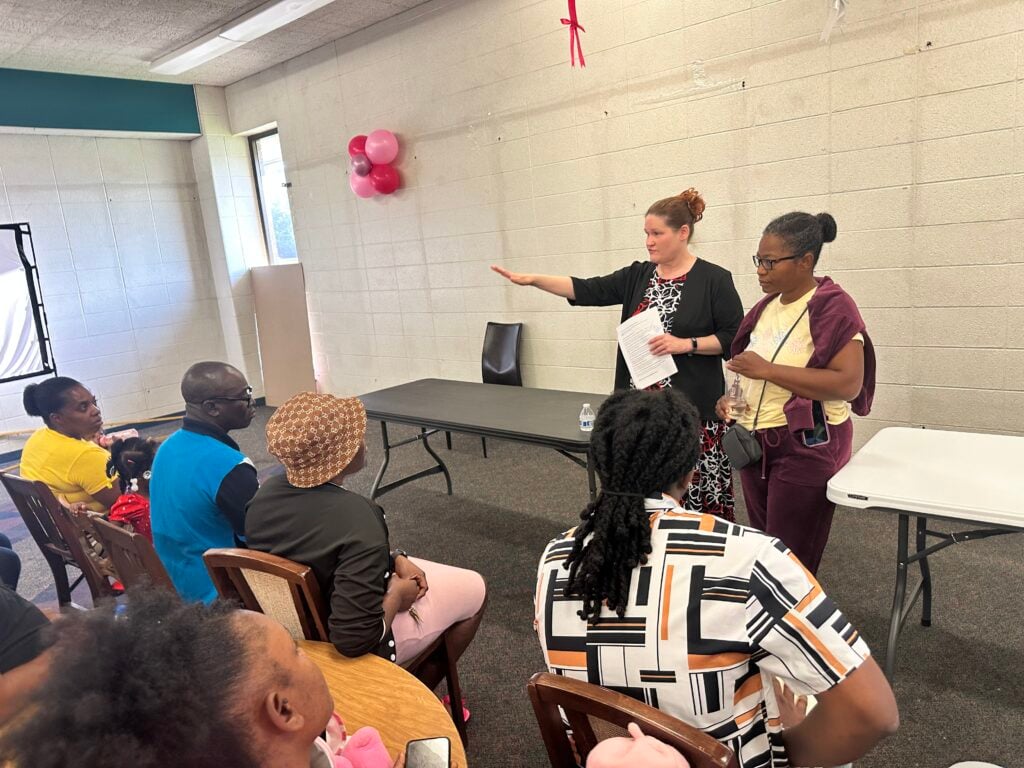
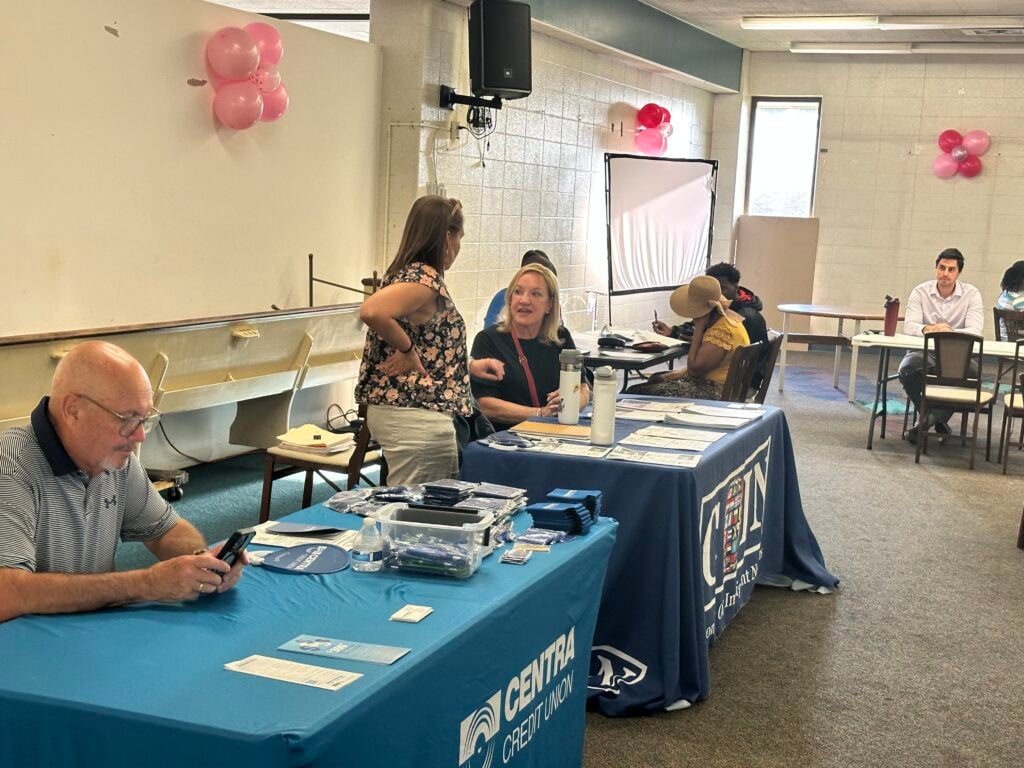
On Aug. 25, two dozen families attended a legal clinic hosted by the church and sponsored by the Coalition for Our Immigrant Neighbors, or COIN. Volunteers helped families prepare legal documents and emergency plans so trusted individuals could care for minor children, other dependents and financial matters if parents or caregivers were detained or deported.
The clinic came two months after the U.S. Supreme Court ruled that the Trump administration could end Temporary Protected Status, or TPS, for more than 350,000 Haitians and about 6,100 Syrians. An estimated 10,000 Haitians in Indiana had been living under TPS.
For Pastor Michelet William, the policy changes have already reshaped congregational life.
William leads three Haitian Seventh-day Adventist congregations serving communities on the east and west sides of Indianapolis. His members include U.S. citizens as well as people with TPS, pending asylum cases, humanitarian parole and other immigration statuses.
“This has created a fear among our members,” William told an Indianapolis Star reporter in July.
He estimates attendance across his congregations has fallen by more than 60% since immigration enforcement intensified. Some members stopped attending after reports of immigration agents operating in Indianapolis raised concerns that churches could be targeted. Others left the United States altogether, relocating to Canada, Mexico or Brazil rather than risk returning to Haiti.
The decline has been especially visible at William’s largest congregation. After remaining below 10 worshippers for more than a decade, the church grew to roughly 400 as more Haitians moved to Indiana for work and a lower cost of living. Attendance has since fallen to about 150.
The changes left church leaders looking for practical ways to support families still in the community.
COIN brings together legal representatives, nonprofit organizations, mental health professionals, schools and volunteers to coordinate services for immigrants throughout Central Indiana. During the three-hour clinic at the Maranatha church, volunteers met individually with families and helped them put plans in place for children, finances and other responsibilities.
Participants expressed gratitude for both the assistance and the respectful, compassionate way volunteers worked with them.
The Indiana Conference has also established a fund through AdventistGiving for those who would like to support affected families.

Herald staff