
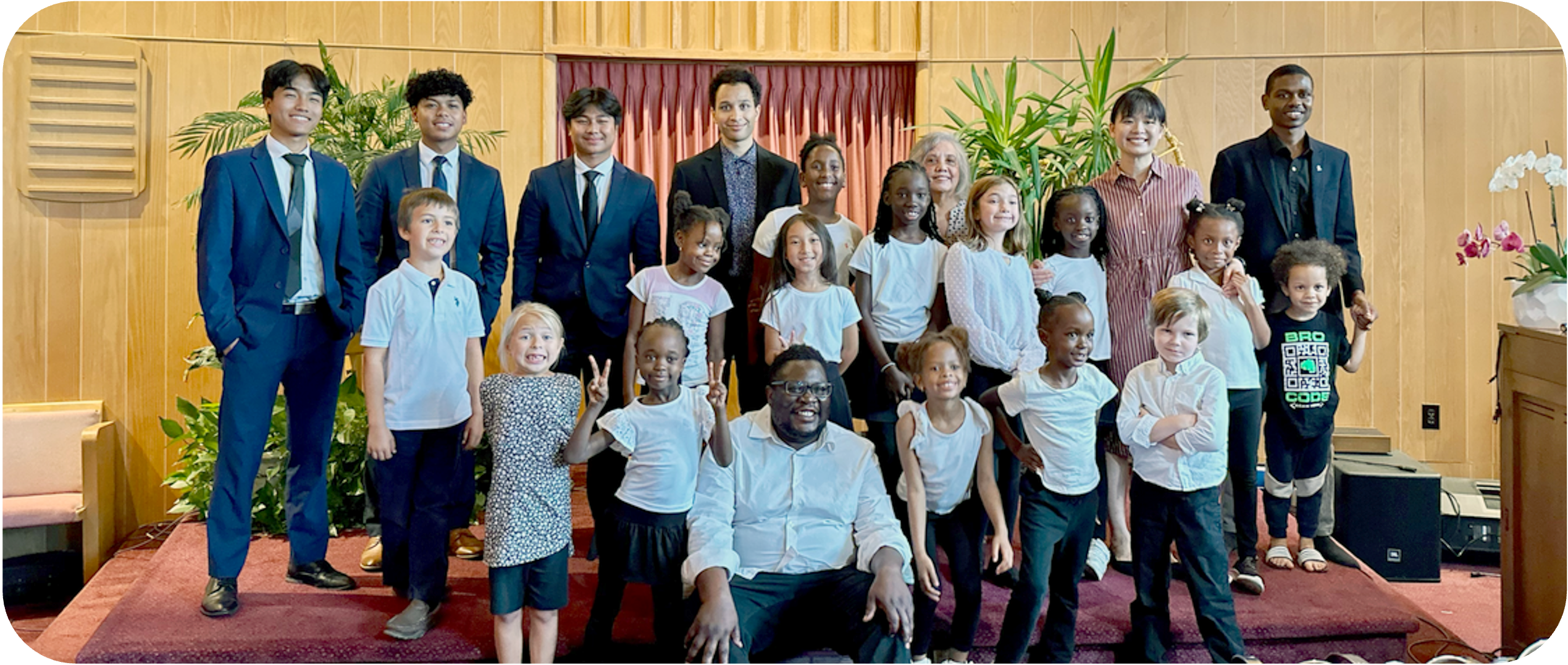
Each semester, theology and religion majors at Andrews University step out of the classroom and into the community, completing 25 hours of ministry involvement. Whether in local churches or volunteering with campus initiatives, these students collectively dedicate over 1,000 hours each semester to putting their faith into action.
For many, these experiences aren’t just a graduation requirement; they’re a transformative bridge between academic study and real-world impact, shaping their calling and those they serve.
Ministry Close to Home
Students choose where and how they’ll serve, including various local churches and ministries; they can also get involved on campus, said Rodney Palmer, chair of the Department of Religion & Biblical Languages.
Seth McKelvey, a theology major, is very involved with campus ministry opportunities. He is an officer of the Andrews Ministerial Association and works with Campus Ministries’ Anchor Groups. McKelvey, a former student missionary, also partnered with another student to start Project Launch, to promote the student missions program and connect student missionaries with local churches for support. “The department does a really good job making sure we have opportunities,” he said.
In one poignant moment, McKelvey was speaking with a student who was on the fence about leading a small group. “You have a lot of people that’re, like, I’m super busy. I don’t know if I can be a part of Anchor Groups,” he recalled. That student eventually took the step to start a group. “It’s super exciting,” Seth said, “really seeing someone work through this idea that there is time in their life for ministry.”
The idea that ministry can be part of your life, even if you’re not a theology major, is important for Seth. “We’re going to go and we get paid to work in ministry. But other people also have outside jobs. How do we equip them and walk them through a process to where ministry becomes a part of what they do too? I think that God is calling all of his people to be involved in ministry.”
Theology major Pau Khual also serves on campus. Influenced by a high school teacher’s passion for God, Pau wants to reach other young people. At Andrews, he has served as freshman class pastor and is the incoming president for the Myanmar Student Association, a group that’s active in bringing programming and encouragement to area churches. This year he was also the religious vice president for the Student Association; he helped start a prayer group and reintroduce AY programming on campus to provide students something fun and spiritual to do on Sabbath afternoons. Post-program feedback was positive: “A lot of [students] were like, wow, it feels like I’m at home again.”
Barnabas Internship
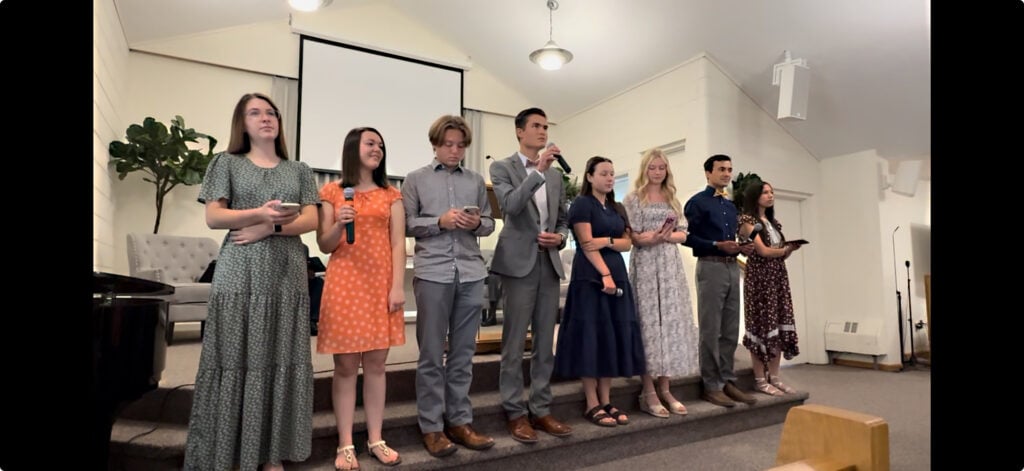
Students also serve in churches across the North American Division. One of these options is the Barnabas internship. Based on the example of Barnabas in the book of Acts, students serve 8–10 weeks during the summer in churches in full-time ministry while working with pastoral mentors. In addition to mentorship, students earn scholarships toward their tuition. The department also partners with the seminary’s Center for Community Change to provide mentoring and expenses for students when they travel to their assigned churches in the Lake Union and beyond.
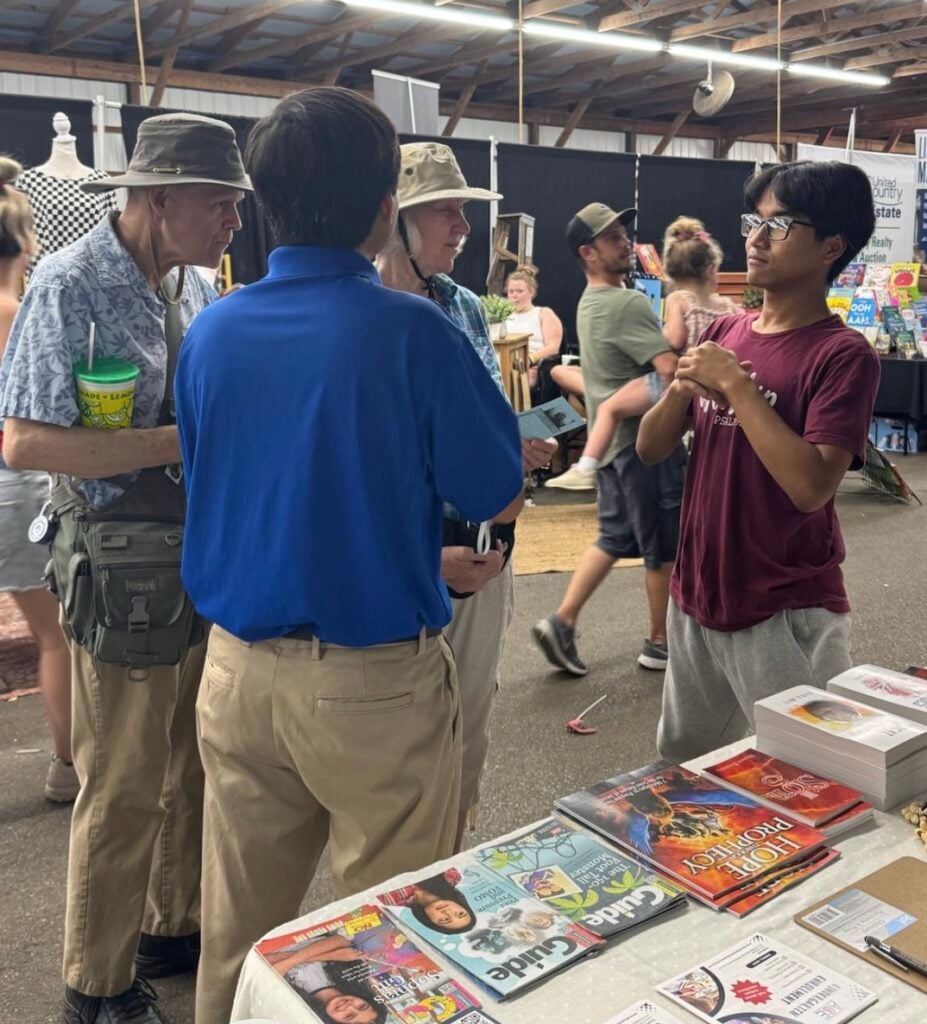
Last summer, Pau served at the Spencer church in Indiana, one of four churches in his mentor pastor’s district; two other students shared the other churches. His responsibilities included visitation, distributing literature at community events, following up on Bible study requests, assisting with Vacation Bible School and occasional preaching. One significant thing he learned was: “Ministry is like a lifestyle. You live by it; you live by what you preach,” he said. With schedules that can change daily, he added, “I learned that ministers always have to be ready for anything.”
What stood out to him as a pastoral intern was being one of the youngest, or the only youth, in the congregation. He grew up in churches with more young people, so he was shocked to see that it was not the norm.
“The only time you’d see young people in the church is during VBS,” he said. “So I asked one of the kids, ‘Hey, are you coming to church next week? I’ll be there.’” When the child responded that his grandparents don’t usually take him to church, Pau realized the significance of that week of programming and relationship-building. “To spend one week with those kids felt meaningful, not only to them, but also for me. It helps them step away from whatever they’re doing and see that church isn’t always what you think of. It’s not boring … And relationships are a big part of that.”
Why It Matters
The ministry hours and Barnabas internship do more than provide boxes for theology and religion majors to check. The requirement promotes intentionality and opportunities to apply classroom learning.
“Because we have a requirement every semester, it helps us to be consistent,” says Pau. “If we’re just required to do [hours] our senior year, and we’re just learning from textbooks, it’s not really practical. I think the consistency helps us to keep developing.”
He added that working on campus taught him quite a few things about communication and planning. “I also learned that when it gets overwhelming, just to trust in God.”
Ministry is different from the classroom, Seth observed. “There’s a lot of soft skills that you have to [learn] in order to do ministry effectively,” he said. The department recognizes that “there’s things that you have to learn outside of the classroom,” he added. “That’s why it’s a valuable opportunity.”
This is the impetus behind these offerings, Palmer says. “The 25-hour ministry involvement, the Barnabas internship — the whole idea here is to provide students with practical experiences so they can take the theory they get in the classroom and make sense of it through real-world ministry.”
“The skills students develop align with what the NAD Ministerial Association identifies as the core qualities of a pastor,” says Palmer, which include character, evangelism, leadership, worship, management, scholarship and relationship.
Specifically, Palmer said he has observed that Barnabas interns have a different maturity level. “When they come back, you can see the drastic change in their understanding of church and their approach to their ministry preparation.” Those students tend to get hired first for employment, he added, saying feedback from participating pastors has been positive, often highlighting students’ work ethic, humility, biblical knowledge and attitude. “We had one conference who just came and said, we need two students because the one that they had before was just excellent.”
Even when there’s room for growth, the feedback provides data for Palmer to create a coaching plan for the student to develop in a particular area.
Scholarship Support
Seth and Pau are both recipients of the Lake Union Scholarship for Theology and Education, which is offered to Andrews’ students accepted into the theology or teacher education programs at the University.
Seth was doing a student missionary year at GLAA when he heard about the scholarship. Being accepted led to his transfer to Andrews, and he’s thrown himself into service on campus. “I really do think it was divine leading,” he said. “My experience at Andrews has been very full.”
Pau says receiving the scholarship relieved some of the financial burden so he could focus on his education. “I was really grateful that the church, the union, they are investing in young people.”
By the time students in the department graduate, they’ve spent hundreds of hours putting their faith into action. But what they’ve gained goes beyond time logged; they’ve impacted other people, learned about themselves, and confirmed their commitment to serve. Seth says, “It’s affirmed my calling because I felt God leading,” in his steps to and at Andrews.
Pau agreed. “When I get involved with these things, I realize that I actually really enjoy it. It’s not like a job; it’s like a passion thing … To see other people give their life to Christ kind of motivates me to just keep doing what I’m doing.”
Palmer envisions a future where students serve a full semester as interns in local churches, taking practical courses while in the field. “That’s my dream,” he said.
In the meantime, he and the department continue to encourage students to take what they learn into the field, whether on campus or in the community.
“We are here to serve our constituency,” he said. “If there’s a church who needs an intern for the summer, someone to help with an evangelistic series, community outreach, whatever it is … we are here and our students are willing to serve.”
Kaara Baptiste is an assistant professor of communication at Andrews University.