
Ultra-processed foods dominate the global food supply today but were non-existent prior to 1879 when the sweetener saccharin was invented. The need to feed soldiers during World War II also prompted the invention of new “ingredients” and food processing. The industrial revolution, along with urbanization, further impacted food production, consumption and distribution. Technological advancements led to the initiation of canning, pasteurization, and refrigerated transport of food. Mechanization in agriculture replaced human labor with machines. While these advancements improved shelf life, palpability, convenience, availability and safety of foods, it also led to increased mass production of food and the rise of ultra-processed foods. Increased consumption of ultra-processed foods is noted to be the most detrimental to human and public health and has been implicated in the prevalence of diet-related chronic diseases seen today.
Classification of Industrial Food Processing:
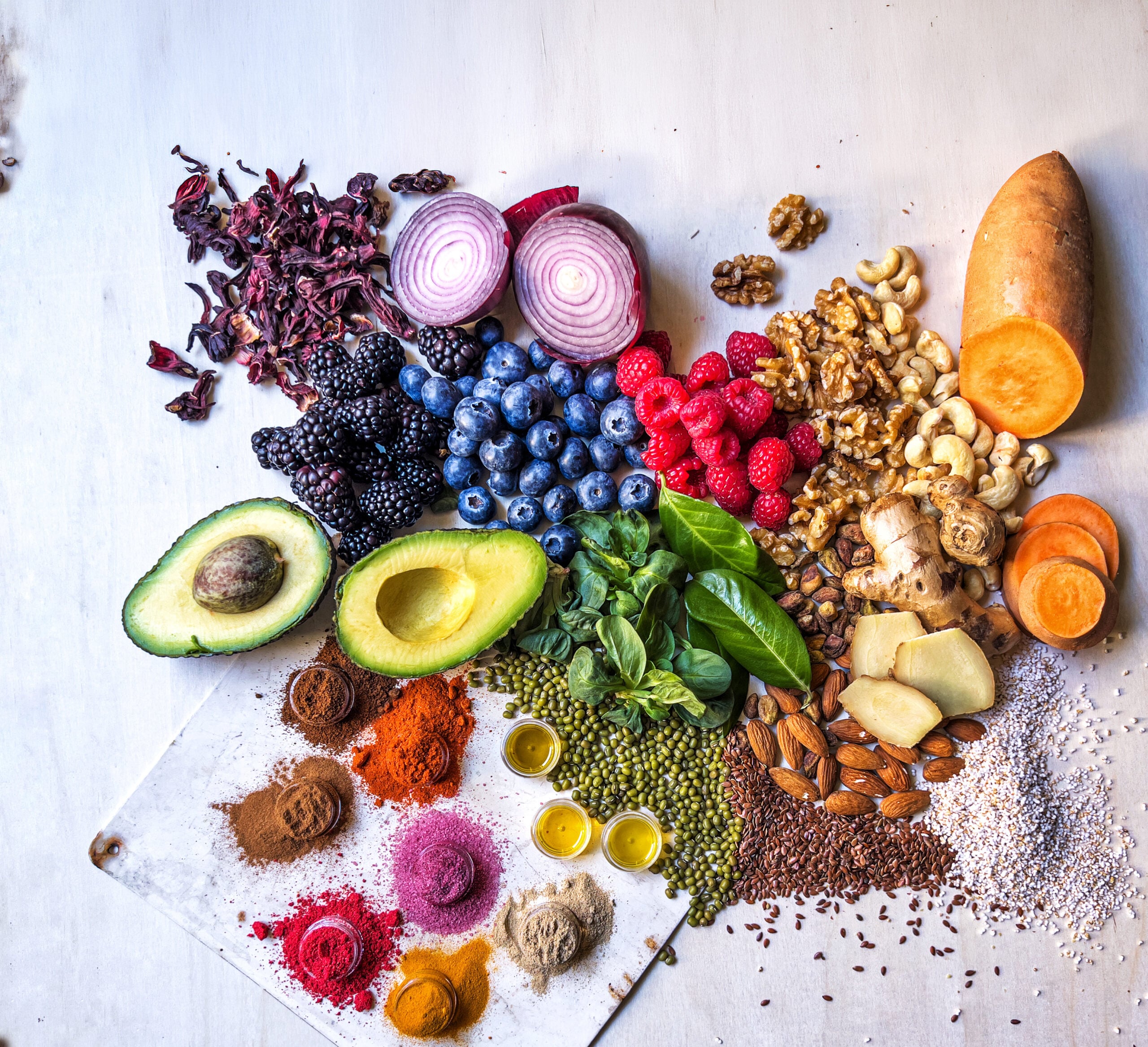
Unprocessed or minimally processed foods may be altered slightly through cleaning, cutting, drying, packaging, freezing, roasting, boiling, refrigeration, pasteurization, without adding chemicals like sugar, salt or oils. These processes help preserve natural foods, make them suitable for storage, increase their safety, or make them edible or more pleasant for consumption. Some foods in this category include fresh produce, grains and legumes, nuts and seeds.
Processed culinary or industry ingredients include salt, sugar, honey, butter and vegetable oils. These food products may contain additives or preservatives to maintain quality and are used to prepare, season and cook unprocessed or minimally processed foods.
Processed foods consist of processed culinary or industry ingredients added to unprocessed or minimally processed foods to enhance durability and sensory quality. Common examples include canned foods (vegetables, fruits, legumes) with added preservatives, salted nuts, cured meats, cheeses, freshly baked breads, and alcoholic beverages (beer, cider, wine).
Ultra-processed food products contain industrial formulations (highly processed substances extracted or chemically synthesized from whole foods) with five or more ingredients. They contain minimal or no intact Group 1 foods and have substances not usually used in home cooking (flavors, colors, emulsifiers, chemical-based preservatives, etc.). Non-sugar sweeteners, high fructose corn syrup, hydrogenated oils, artificial colors/flavors, casein and whey are some examples. These foods are typically highly palatable and feature attractive packaging and aggressive marketing toward children. Some examples include mass-produced breads, ice cream, packaged snacks, frozen dinners, and artificially sweetened yogurt. Distilled alcoholic beverages from Group 1 foods, such as vodka and whiskey, are also included in this category.
The problem with ultra-processed “foods” is that they contain little or even no intact food. They are high in calories, unhealthy fats, refined starches, sugar and salt, poor sources of protein, and lack needed dietary fiber and essential micronutrients. These food derivatives are major drivers of obesity and other diet-related chronic diseases.
You can become an educated food consumer and reduce your risk of disease. Read food labels, choose foods with five or fewer ingredients that you easily recognize, avoid chemical additives, shop the grocery store perimeter, and cook at home more often. “And God said, See, I have given you every herb that yields seed which is on the face of all the earth, and every tree whose fruit yields seed; to you it shall be for food.” Genesis 1:29 NKJV
Christina Wells, MD, is health ministries director for the Lake Region Conference.