
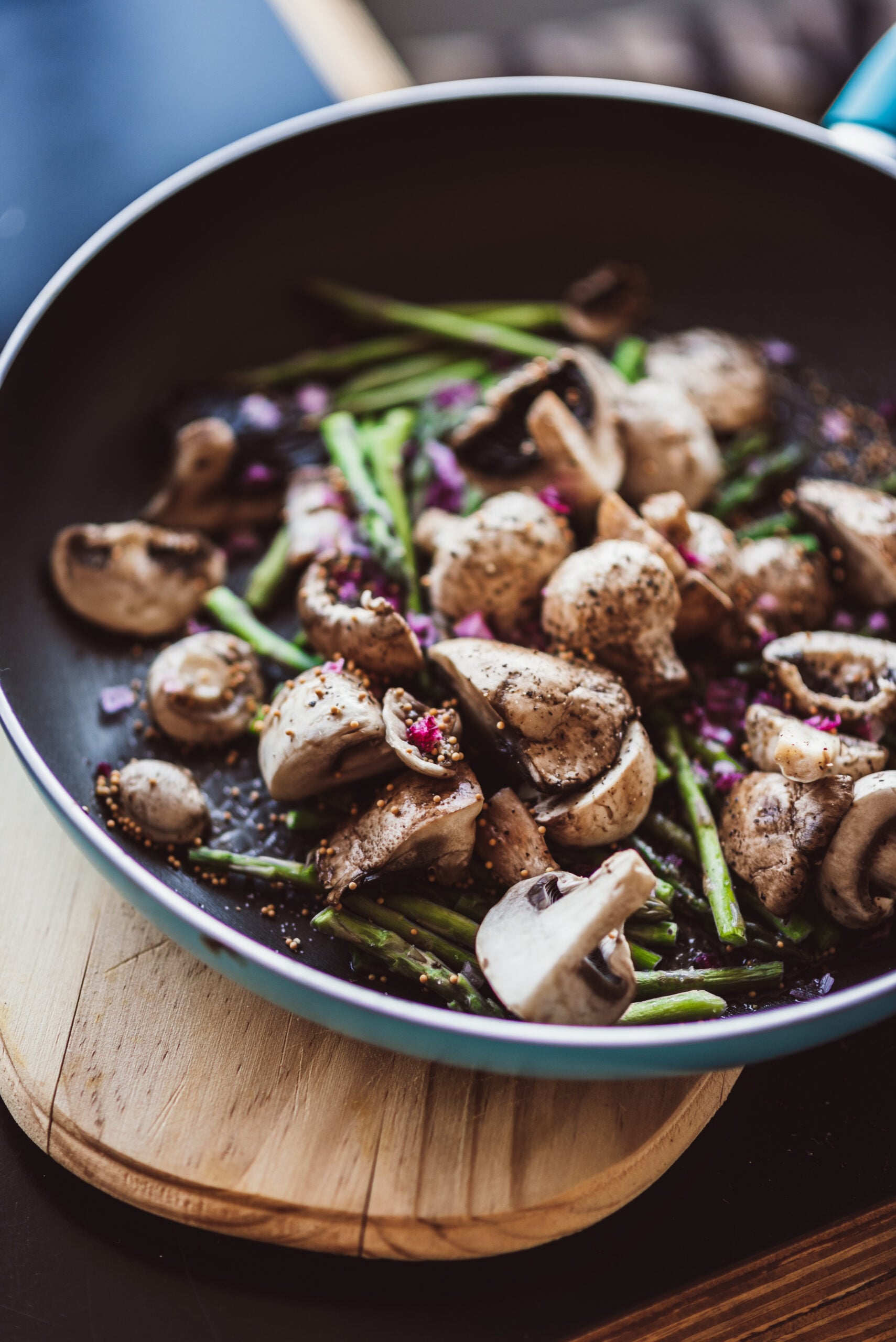
In recent years, mushrooms have gained attention for their remarkable health benefits, often described as natural medicine. For Seventh-day Adventists, who seek to honor God through healthful living, an important question arises: does Scripture permit the consumption of mushrooms, given that they are not specifically identified as seeds, fruits or vegetables? Mushrooms belong to the fungi kingdom, making them distinct from plant life. While there is no direct counsel from Ellen G. White on mushrooms, guidance from Adventist health leaders such as Dr. Fred J. Hardinge affirms that there is no prohibition against consuming safe, edible mushrooms as part of a balanced vegetarian diet.
The Bible teaches that God is the Creator of all life. In Genesis 1:31, we read, “God saw everything that He had made, and indeed it was very good.” This reminds us that all of creation, including organisms like fungi, exists within God’s purposeful design. Although Genesis 1:29 emphasizes “every herb bearing seed” and fruit as food, it does not necessarily exclude other forms of nourishment that are wholesome and safe. Instead, it establishes a principle of plant-based provision, which mushrooms can complement within a vegetarian lifestyle.
Mushrooms are unique in their design. They grow rapidly, often appearing overnight in moist environments, and function as recyclers in nature by breaking down decaying matter. This reflects the order and balance God placed in creation. As Psalms 104:24 declares, “O Lord, how manifold are Your works! In wisdom You have made them all.” Even the hidden processes of fungi testify to divine wisdom.
Historically, mushrooms have been used for nourishment and healing, particularly in Asian cultures. Today, scientific research continues to uncover their nutritional richness. Mushrooms provide essential vitamins and minerals such as B vitamins, selenium, potassium and vitamin D. They are also known for their potential health benefits: supporting the immune system, reducing oxidative stress, aiding in blood sugar balance, and promoting brain health. Certain varieties, such as lion’s mane and cordyceps, are being studied for their role in nerve support and energy production.
For Seventh-day Adventists, health is not merely physical but spiritual. Scripture reminds us in 1 Corinthians 6:19–20 that our bodies are “the temple of the Holy Spirit,” and we are called to glorify God in how we care for them. Choosing nourishing foods is part of faithful stewardship. While mushrooms can be beneficial, discernment is essential. Some mushrooms are poisonous, and foraging without proper knowledge can be dangerous. Wisdom, a key biblical principle (James 1:5), should guide our choices.
Ellen G. White consistently emphasized simplicity, balance, and the use of wholesome, natural foods. While she did not specifically address mushrooms, her broader health principles — avoiding harmful substances and choosing foods that promote vitality — can guide believers in making informed decisions.
The well-known statement attributed to Hippocrates, “Let food be thy medicine and medicine be thy food,” harmonizes with biblical principles of health. God has provided in nature many resources to sustain and restore us. When used wisely and safely, mushrooms may be understood as part of that provision — a reminder of God’s care, wisdom and abundant design.
Yin Schaff is health ministries director for Wisconsin Conference.