
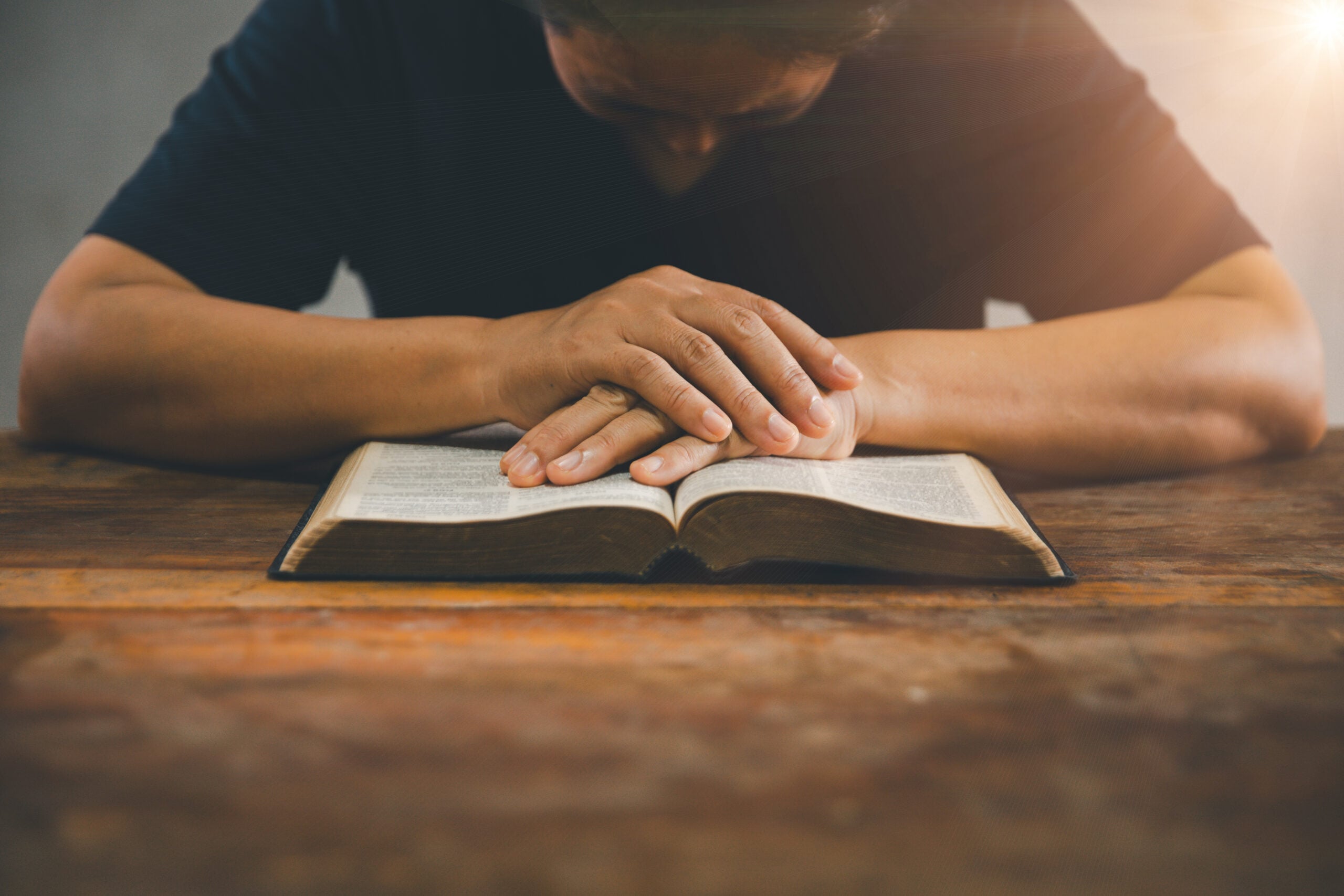
For some people, the number 13 can stir anxiety. Hotels skip room 13. High-rise buildings sometimes omit the 13th floor. Airlines may avoid labeling a row 13. And when the 13th falls on a Friday, like this November, the superstitious may steer clear of black cats, sidewalk cracks and anything thought to bring bad luck.
There’s even a name for the fear of the number 13: paraskevidekatriaphobia.
But there is another 13 worth considering, one that offers hope rather than fear. Psalm 13 gives us a powerful lesson about prayer, especially when life seems overwhelming and God feels far away.
Written by David, a man who knew both God’s favor and the fury of his enemies, this short psalm takes us from protest to prayer to praise.
David had been anointed king, defeated Goliath and served faithfully in King Saul’s court. Yet his success made him a target. Consumed with jealousy, Saul repeatedly attempted to kill him. David fled into the wilderness, uncertain of what tomorrow might bring.
Against this backdrop, David cries out: “How long, Lord? Will you forget me forever? How long will you hide your face from me?” (Psalm 13:1, NIV). Four times David asks, “How long?”
Perhaps you’ve asked that same question. How long must I endure this illness? How long before my family is restored? How long must injustice prevail? How long before my prayers are answered?
David teaches us our first lesson about prayer: We can be honest with God.
His words are raw, filled with anguish and frustration. He feels forgotten and overwhelmed by his thoughts. Yet even in despair, he directs his questions to God. His lament is an act of faith.
Then David moves from protest to petition. “Look on me and answer, Lord my God. Give light to my eyes” (verse 3). David doesn’t abandon the God he believes has abandoned him. Instead, he pleads for God to restore his strength and deliver him.
Here is our second lesson: Prayer connects us to God even when we cannot sense His presence.
David’s circumstances have not changed. Saul is still pursuing him. Yet his perspective begins to shift. By the closing verses, his lament gives way to a confident declaration: “But I trust in your unfailing love; my heart rejoices in your salvation. I will sing the Lord’s praise, for he has been good to me” (verses 5-6).
This brings us to the third lesson: Prayer reminds us of God’s faithfulness.
David remembers how God sustained him through previous trials, rekindling his confidence that the same God who carried him yesterday will sustain him tomorrow. Prayer doesn’t always bring immediate deliverance. But in God’s presence, despair can give way to hope and anxiety to trust.
Psalm 13 reminds us that we can bring God our questions, disappointments and even complaints. And when we remember His goodness, we may discover that the prayer beginning with “How long?” can end with “Thank You, Lord.”
Edward Woods III is Public Affairs and Religious Liberty director for Lake Region Conference, as well as the Conscience and Justice Council chairperson. For more information, visit cjcouncil.org