
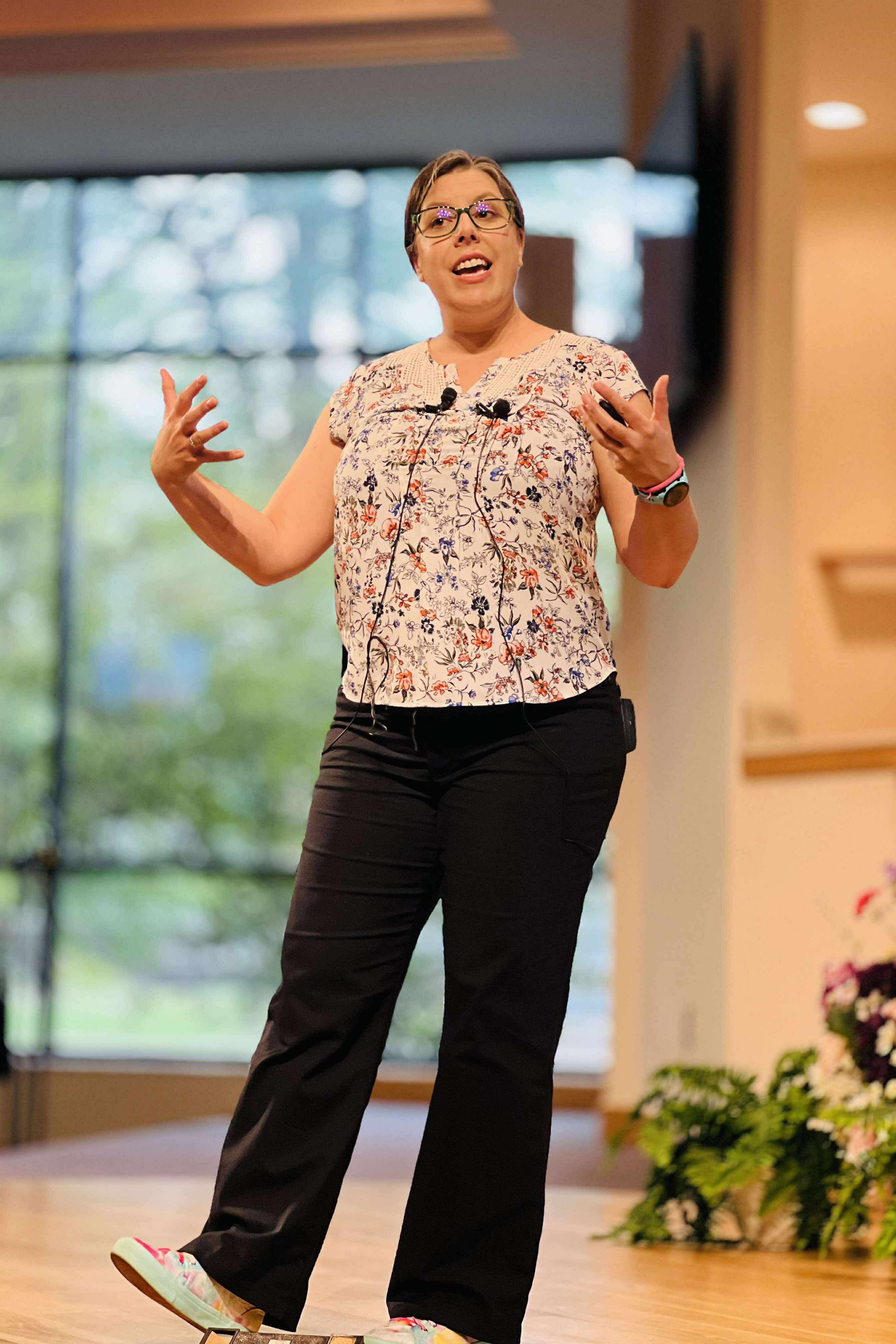
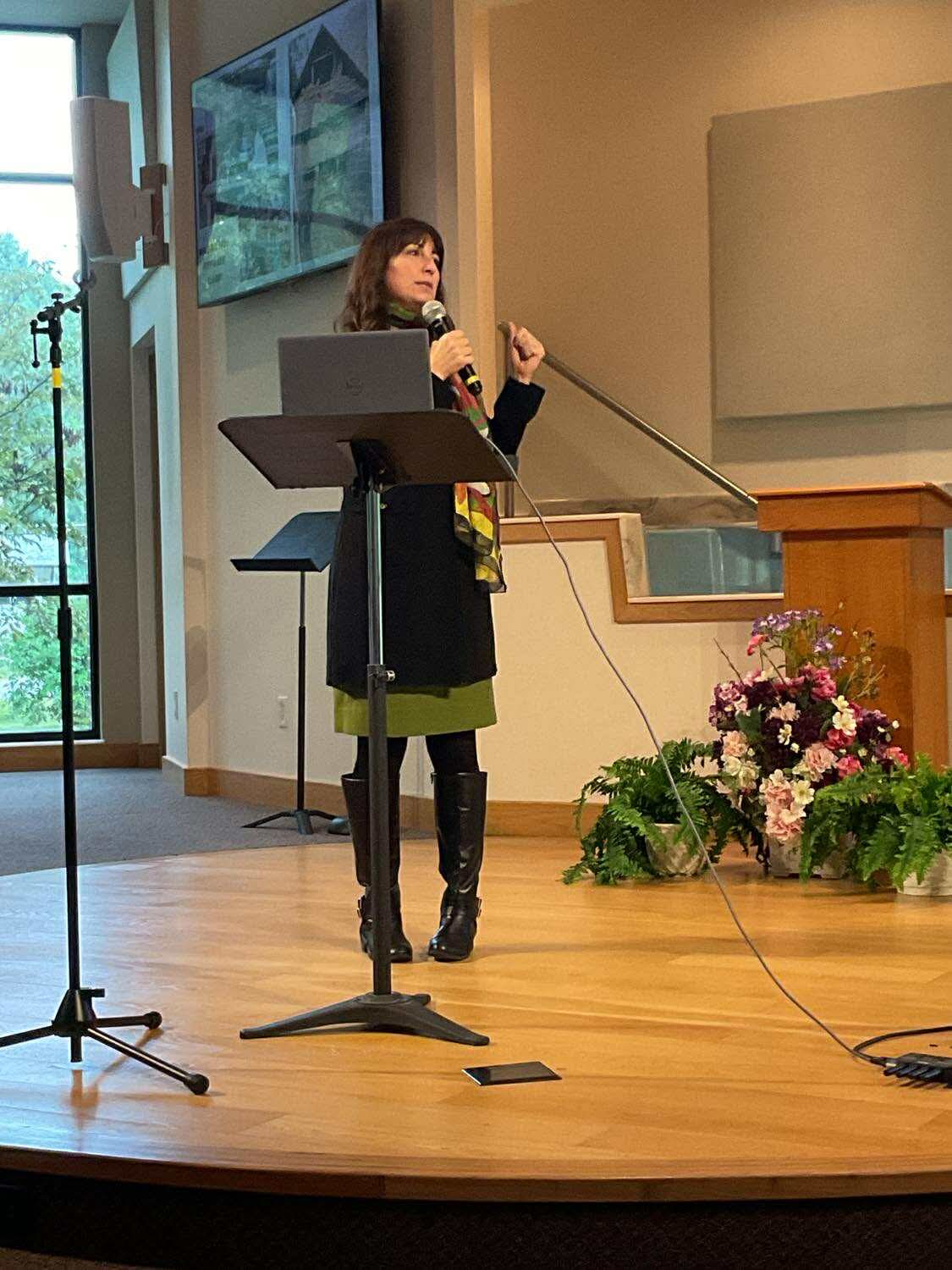
The training sessions, led by Social Work Assistant Professor Dustin Young, had approximately 40 attendees, with several coming from Andrews or other local churches.
Young described the training she and her colleagues provide as looking at how trauma impacts all areas of life through the lens of trauma being a response to one or multiple specific events. “One of the things that we’re focused on when we work with churches is that trauma also impacts how you connect with others and how you connect with God,” said Young. “Churches are very much aligned to be able to support hurting people.”
With an already established community network in churches, the goal of the trauma training is to first build awareness of possible trauma. “Don’t turn anyone into a therapist unless they’re already a therapist, but it’s really that awareness of what trauma can look like, sound like, worship like and fellowship like,” Young shared. After the building of awareness, respectful conversations can occur amongst members to identify what can provide the most adequate care for those dealing with spiritual, emotional or physical trauma.
Kevin Brown, an elder at the St. Joseph church who also works with the International Center for Trauma Education and Care, added, “I feel like as a church, it’s important that we have purpose to [our social interactions], and it becomes more than just a social club.” He went on to say that during the trauma trainings, he heard profound advice on how to help address and heal from trauma. “If you want to be a place for healing, community is perhaps the most broad-based aspect of healing that people who have trauma can benefit from,” said Brown.
Young and Brown shared that trauma within church communities can often be triggered by something said or not being said enough. Some people have reported being triggered by messaging in sermons or other speeches in church services, sometimes due to a passage being misused in the past or the message just touching a nerve with a prior experience. Young shared that many have expressed that some of the topics and content discussed in trainings have not been discussed appropriately enough in religious settings.
“I often hear comments of, ‘I haven’t talked about this ever’ or ‘I’ve never heard this talked about from the pulpit in a way that isn’t shame-based, secretive, or sin-focused,” said Young. “We often take the approach that ‘I believe this is how God has designed us to protect ourselves in a sinful world,’ and then it can get in the way of healthy functioning as well.”
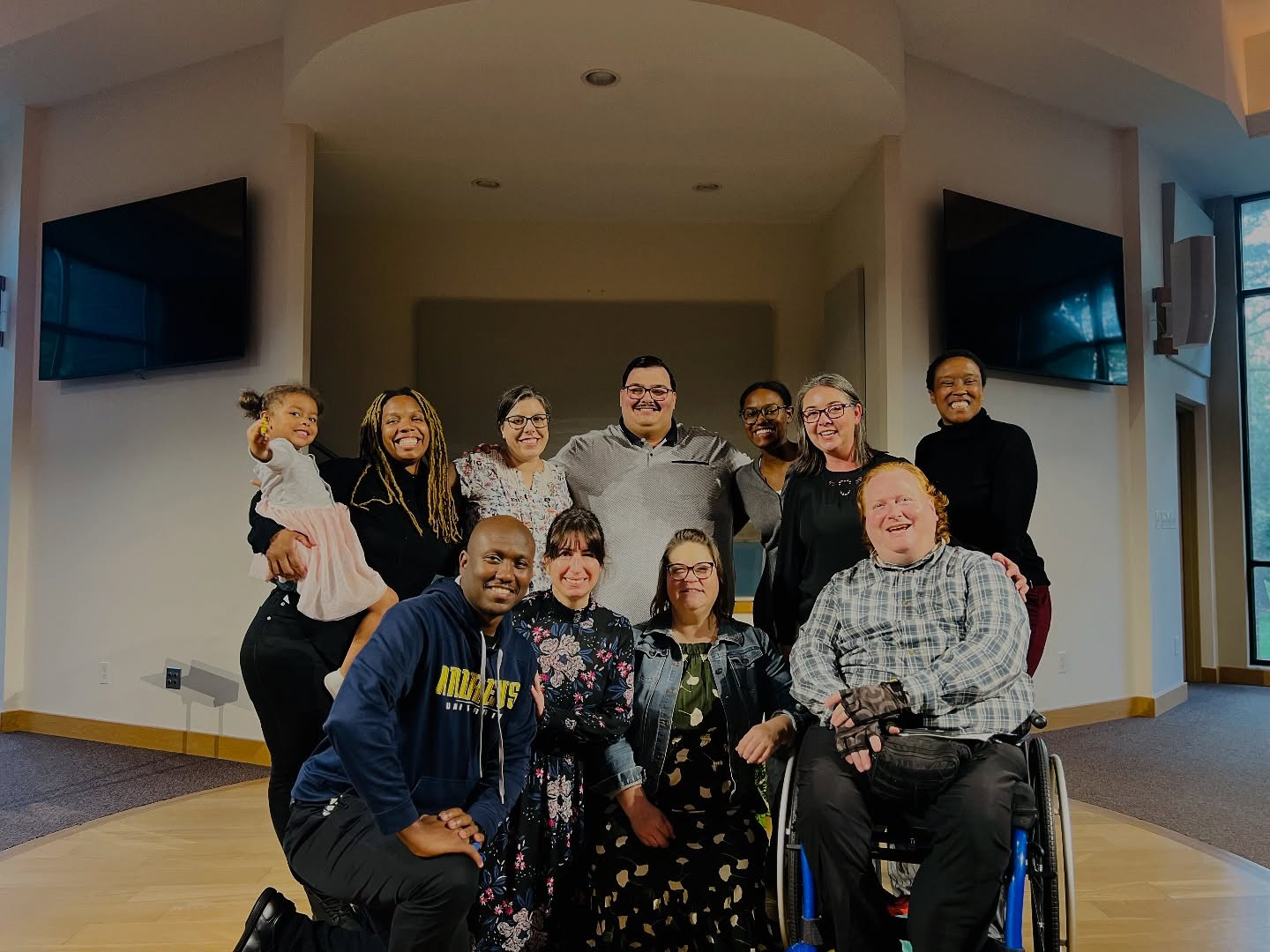
After the three weekend sessions at the St. Joseph church, 10 participants opted into a six-week online cohort, where they met virtually on Mondays to build upon prior trauma training lessons. Young explained that similar training and cohorts have been held in the past for emergency medical services professionals, academic groups and other communities besides churches around the United States and in a few continents. These groups can apply for grants from the Center for Community Change, General Conference of Seventh-day Adventists or other organizations to pay for the costs of programming.
To learn more about the International Center for Trauma Education and Care and to request one of their available trainings or other resources, you can visit their website.
Andrew Francis is an undergraduate senior at Andrews University studying communication, public relations and behavioral science. He currently works in various communication positions within and outside of the Seventh-day Adventist church, predominantly as a freelance journalist.